 Innotex Group


2026 Best Personalised Packaging Bags for Global Buyers
Global buyers are rethinking how products arrive, travel, and remain memorable. In 2026, Personalised Packaging Bags must do more than display a logo. They should protect goods, communicate brand values, and support efficient international shipping.
Ellen MacArthur, a leading circular-economy strategist, said, “We need to move from a linear take-make-dispose economy to a circular economy.” Her statement remains highly relevant to customised bags. Buyers now examine recycled content, material weight, printing methods, reusability, and end-of-life options. A strong design may use kraft paper for a natural appearance, recycled polyethylene for moisture resistance, or certified compostable materials for suitable applications. Yet, no material solves every problem.
Performance matters.
Experienced sourcing teams test handle strength, seam durability, colour consistency, and dimensional accuracy before approving large orders. They also check whether packaging tolerates humidity, stacking pressure, and long-distance handling. These practical details often separate an attractive sample from a dependable export product. Suppliers should provide material specifications, production samples, quality records, and clear delivery terms. Certifications must be relevant and independently verifiable.
This guide examines the best Personalised Packaging Bags for global buyers in 2026. It compares visual appeal, protection, sustainability, minimum order quantities, and customisation flexibility. Some choices will look impressive but perform poorly under pressure. Others may cost more initially yet reduce replacement, presentation, or shipping problems. Buyers should question assumptions, including their own. A reusable bag is not automatically sustainable if customers rarely reuse it. Careful testing remains essential.
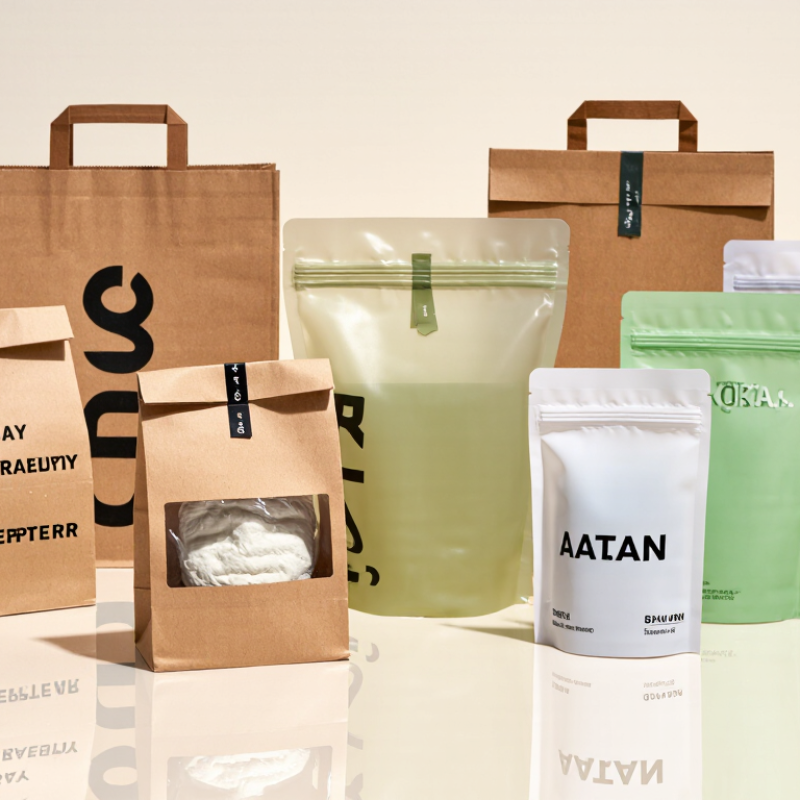
What Personalised Packaging Bags Are and Why Global Buyers Use Them
2026 Best Personalised Packaging Bags for Global Buyers
What Personalised Packaging Bags Are and Why Global Buyers Use Them
Personalised packaging bags are made-to-order pouches, mailers, or carry bags. Buyers can specify dimensions, materials, print coverage, closures, handles, and artwork. Some suppliers also add variable names, QR codes, or campaign messages. The purpose is practical: protect goods while making each package recognisable. It is not merely decoration. A well-built bag should survive filling, transport, storage, and opening.
Global buyers use these bags because packaging now carries part of the product experience. McKinsey’s 2021 personalization research found that 71% of consumers expect personalised interactions, while 76% feel frustrated when companies do not provide them. That research covers customer experiences broadly, not bags alone. Still, it shows why tailored graphics and messages matter. Smithers’ The Future of Global Packaging to 2028 forecasts the global packaging market will exceed 1.2 trillion dollars by 2028. This growth creates space for differentiated packaging formats.
Packaging also affects purchasing decisions. A buyer may request flat shipping, resealable openings, moisture barriers, or recyclable structures. These features can reduce handling problems, but they may increase minimum order quantities and tooling costs. Experience shows artwork approval is often slower than production. Small colour shifts can change shelf appearance. Material claims need evidence, not attractive wording. Personalisation can also become wasteful when forecasts are poor. Short runs, clear specifications, and pre-shipment checks help, although they cannot remove every risk. For global purchasing teams, the strongest bag balances identity, protection, documentation, and landed cost.
2026 Best Personalised Packaging Bags for Global Buyers - What Personalised Packaging Bags Are and Why Global Buyers Use Them
| Personalised Packaging Bag Type | Common Materials | Typical Uses | Customisation Options | Main Advantages | Important Buyer Considerations |
|---|---|---|---|---|---|
| Stand-Up Pouches | PET/PE, BOPP/PE, paper-laminated films, recyclable PE structures | Snacks, coffee, pet food, powdered products and household goods | Digital or flexographic printing, zipper, tear notch, window, matte or gloss finish | Good shelf presence, efficient storage and convenient resealing | Barrier requirements depend on the product’s sensitivity to oxygen, moisture, light and aroma |
| Flat Pouches | PE, PP, PET laminates and paper-based laminates | Single-use samples, sauces, cosmetics, condiments and small portions | Full-surface graphics, euro hole, tear notch, spout and shaped edges | Lightweight, space-saving and suitable for portion control | The filling method and seal strength should be tested before large-scale production |
| Flat-Bottom Bags | Multi-layer plastic films, aluminium barrier laminates and recyclable mono-material films | Coffee, dry food, nutritional products and premium retail goods | Zipper, valve, handle, spot varnish, metallic effect and custom dimensions | Stable display, relatively large capacity and strong visual impact | The bag structure, valve design and seal specification should match the filling equipment |
| Paper Shopping Bags | Kraft paper or coated paper with twisted, flat or cotton handles | Retail stores, gifts, apparel, foodservice and promotional packaging | Printed artwork, handle colour, paper weight, size and surface finish | Reusable appearance, strong print surface and easy visual personalisation | Recyclability may be affected by coatings, laminates, inks, adhesives and attached components |
| Drawstring Bags | Cotton, recycled polyester, non-woven polypropylene and canvas | Events, apparel, footwear, travel accessories and gift packaging | Screen printing, digital transfer, embroidery, cord colour and custom size | Lightweight, reusable and practical for carrying small items | Confirm fabric weight, colourfastness, stitching quality and applicable textile labelling rules |
| Mailer Bags | LDPE, recycled PE, co-extruded films and paper-based mailer materials | E-commerce orders, apparel, documents and non-fragile products | Printed exterior, permanent adhesive strip, return strip, handle and tamper-evident features | Low shipping weight, easy fulfilment and improved unboxing presentation | Select the material and closure according to puncture resistance, privacy and destination regulations |
| Biodegradable or Compostable Bags | Certified compostable films, paper structures or bio-based polymer blends | Selected foodservice, produce, retail and short-life packaging applications | Printing, size, closure, transparency and certification-related markings | Can support a lower-impact packaging strategy when correctly specified and disposed of | “Biodegradable” and “compostable” are not interchangeable; verify recognised certification and disposal conditions |
| Reusable Non-Woven Bags | Spunbond polypropylene, recycled polyester or laminated non-woven fabric | Trade events, grocery shopping, retail promotions and product bundles | Flexographic or screen printing, gusset, handle length, pocket and stitching details | Durable for repeated use, easy to store and suitable for large graphics | Check fabric basis weight, load capacity, seam strength and the intended reuse cycle |
Related Posts
-
What Are the Top 10 Types of Packaging Bags?
-
Exploring the Impact of Personalized Packaging Bags at the 137th Canton Fair in Guangzhou
-
Top China Best Packaging Bags for Global Buyers?
-
How to Choose the Right Custom Made Packaging Bags for Your Business Needs
-
Exploring the Future of Personalized Packaging Bags at China's 138th Canton Fair 2025
-
Custom Made Packaging Bags Tips for Effective Branding and Cost Savings?