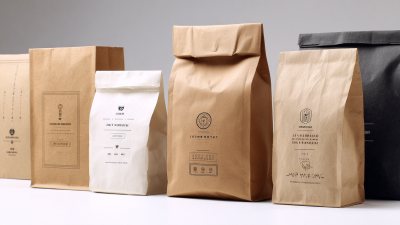
What Are the Top 10 Types of Packaging Bags?
Packaging Bags appear in grocery aisles, shipping rooms, coffee counters, and medicine cabinets. Their shape may look simple, but material, closure, barrier performance, and filling method affect how well they protect a product. A resealable pouch can keep snacks accessible, while a sturdy woven sack may suit heavier dry goods. Small design choices matter.
This guide introduces ten common types of Packaging Bags, including stand-up pouches, flat pouches, gusseted bags, vacuum bags, zipper bags, paper bags, and shipping mailers. The list compares practical features rather than declaring one format universally best. A bag that works for roasted coffee may be wasteful or unsuitable for fresh produce. Product sensitivity, storage conditions, transport distance, branding needs, and end-of-life options all deserve attention. Check supplier specifications for food-contact suitability and stated barrier properties; appearance alone cannot confirm performance.
Details count. We will also note typical trade-offs, such as improved protection adding layers that may complicate recycling in some local systems. Packaging choices change as equipment, budgets, and customer expectations shift, so this overview is a starting point, not a purchasing test. Some categories overlap, and terminology varies between suppliers. That can be confusing, honestly. Use the comparisons to narrow your options, then verify dimensions, seal strength, and material claims with a qualified packaging provider before ordering.
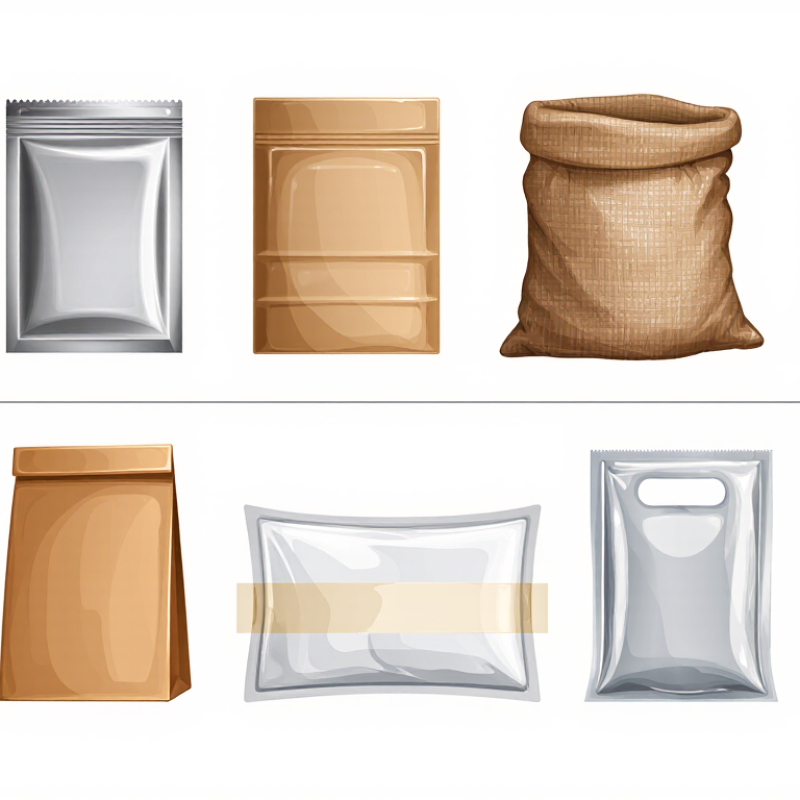
How Packaging Bags Are Classified by Structure and Function
Packaging bags are best compared by their structure and the job they perform. A flat pouch has two panels and little depth, making it suitable for samples or thin products. Pillow bags use a back seal and two end seals; they wrap efficiently around snacks or small household goods. Three-side-seal pouches close along three edges and leave one edge open for filling. Simple, but not ideal for every product.
Gussets add depth. Side-gusset bags expand at the sides, while bottom-gusset bags gain space underneath. Stand-up pouches use a shaped bottom gusset to sit upright on a shelf. Quad-seal bags have four reinforced corner seals, helping them hold a squared shape. Block-bottom bags have a broad, stable base. These formats can look similar in a display, yet their folds and seals affect filling and shelf stability.
Other types are defined more by function. Vacuum bags remove much of the air around a product, while zipper pouches can be opened and closed repeatedly. A zipper does not automatically make a bag airtight, so the intended barrier matters. In practice, the best choice depends on product weight, moisture sensitivity, filling equipment, and handling.
A small sample filled by hand can reveal awkward folds or weak seals before a design is finalized. Even then, packaging decisions involve trade-offs.
Flat, Gusseted, and Block-Bottom Bags
Flat bags have two main panels and little room to expand. They suit lightweight items such as tea sachets, stationery, or small dry goods. Their shape is simple to fill and store, but they may not stand upright on a shelf. That can make product display less convenient.
Gusseted bags include folded side or bottom panels that open when filled. A side gusset can add capacity while keeping the package relatively narrow. A bottom gusset helps the bag stand more steadily, especially when contents are evenly distributed. Check the filled sample, not just the empty bag: powder, chunky pieces, and uneven loading can change how well it stands. Small details matter.
Block-bottom bags have a broad, flat base and squared sides, giving them a box-like shape. They can sit upright and present a clear front panel, which is useful for shelf display. Their structure may require more material and careful filling than a flat bag. In practice, the best format depends on product weight, packing speed, storage space, and how customers handle the package. There is no perfect shape. A sample filled with the actual product can reveal awkward tipping or sealing issues before a larger order.
Stand-Up Pouches, Flat-Bottom Pouches, and Spouted Pouches
Stand-up pouches use a bottom gusset that opens when filled, helping the pack stay upright on a shelf. Their flexible walls use less storage space than many rigid containers before filling. A resealable zipper can help keep dry foods fresh between uses, but it is not a substitute for a suitable barrier layer. Check the product’s sensitivity to moisture, oxygen, and light before choosing a film structure. Small details matter.
Flat-bottom pouches have a broad base and several panels, giving them a box-like shape and a stable shelf presence. They can offer room for printed information on multiple sides, while still folding flat during transport. That shape can work well for products displayed upright, though filling equipment and seal design affect performance. A neat-looking pouch may still tip if its base is too narrow for the filled weight. Test it first.
Spouted pouches are designed for liquids or pourable products, such as sauces, drinks, and concentrates. The spout makes dispensing more controlled than opening a wide pouch, and a cap can help close it between uses. Spout size and placement should match the product’s thickness and how people will pour it. A thin liquid and a chunky sauce behave differently. These packs also need reliable seals around the spout, so filling and leak tests matter. The right format depends on the product, shelf conditions, and how customers handle it.
What Are the Top 10 Types of Packaging Bags? — Stand-Up Pouches, Flat-Bottom Pouches, and Spouted Pouches
This chart compares 10 common bag formats by the typical number of gusseted edges in a representative construction. Actual designs vary by product and manufacturer.
Gussets help create expandable sides or bases. Stand-up and spouted pouches commonly use a bottom gusset, while side-gusset and quad-seal bags use gussets along their sides.
Vacuum Bags and Retort Pouches
Vacuum bags and retort pouches solve different packaging problems. Vacuum bags remove air around products such as fresh meat, cheese, or coffee, helping limit oxidation and slowing some spoilage processes. Grand View Research estimated the global flexible packaging market at about US$264 billion in 2023, reflecting the scale of formats that include these bags. The figure covers flexible packaging broadly, not vacuum bags alone.
A vacuum bag must match the product and equipment. A pinhole near a bone or a weak seal can undo the benefit quickly. Choose barrier layers based on oxygen and moisture sensitivity, then test seals under real packing conditions. Small details matter. Vacuum packaging does not sterilize food, and refrigeration requirements still apply.
Retort pouches are built for a different job: sealed food is heat-processed inside the pouch. The U.S. FDA defines low-acid foods as having a finished equilibrium pH above 4.6 and water activity above 0.85; regulated products need a validated thermal process. That distinction matters because a pouch’s appearance cannot prove its contents are safe. Retort structures typically combine heat-resistant layers with a strong seal, but recyclability can be limited by mixed materials. That trade-off is easy to overlook. Request process validation and confirm that the pouch specification suits the actual filling and heating conditions.
Paper Bags and Woven Polypropylene Bags
Paper bags suit shops, bakeries, and takeaways where a clean, natural look matters. They are easy to print on and can often be recycled when they are clean and uncoated. A folded paper handle feels comfortable with a light load, but it may tear if a bag is overloaded or gets wet. That detail is easy to miss. Choose a paper weight and base width that match the product, not just the appearance.
Woven polypropylene bags are made from interlaced plastic strips, giving them strength for heavier goods and repeated use. Their textured surface can handle rough handling better than many paper bags. Moisture resistance varies, though, and seams or uncoated fabric may still let water through. They also need suitable local collection or recycling options. Neither material is perfect. The better choice depends on weight, storage conditions, reuse, and disposal access.
Tips: Check the bag with the actual product inside. Lift it by the handles, inspect the base, and leave a little room at the top. For paper, test how it holds up around damp items. For woven polypropylene, ask whether the finished bag is laminated, since that can affect recycling. A small trial run can reveal problems before a large order.
What Are the Top 10 Types of Packaging Bags? - Paper Bags and Woven Polypropylene Bags
| Bag Type | Typical Material or Construction | Common Uses | Key Advantages | Important Considerations |
|---|---|---|---|---|
| Paper Bags | Kraft paper, sometimes with handles or a paperboard base | Retail purchases, bakery goods, takeaway orders, and dry products | Printable, widely available, and often recyclable where local paper-recycling systems accept them | Can weaken when wet; grease or food contamination may prevent recycling. Coatings and handles can affect recyclability. |
| Woven Polypropylene Bags | Interlaced polypropylene tapes, often with a sewn or heat-sealed bottom | Grain, animal feed, fertilizer, sand, and other bulk goods | Lightweight and durable, with good tear resistance for many dry-product applications | Not inherently waterproof at seams; collection and recycling options vary by location and bag condition. |
| Plastic Film Bags | Thin polyethylene film, commonly low-density or high-density polyethylene | Groceries, produce, liners, and lightweight retail items | Lightweight, flexible, and resistant to moisture | Can be difficult to recycle through curbside programs; some stores offer film drop-off collection. |
| Stand-Up Pouches | Flexible film layers, sometimes combined with foil or a barrier coating | Snacks, coffee, pet treats, sauces, and powdered foods | Can stand on shelves and may include resealable closures or high-barrier layers | Multilayer construction can make recycling difficult; barrier needs should be matched to the product. |
| Flat-Bottom Bags | Paper or flexible plastic formed with a flat base | Packaged foods, coffee, pet food, and retail goods | Stable on shelves and provides a broad printable front and back surface | Barrier performance depends on the material and any lining or coating used. |
| Gusseted Bags | Paper or plastic with folded side or bottom panels that expand when filled | Bulk foods, bread, pet products, and industrial supplies | Expands to hold more product while folding relatively flat when empty | Load capacity and sealing strength depend on material, gusset design, and closure. |
| Vacuum Bags | Flexible barrier films designed to remove air and seal around products | Meat, cheese, coffee, and other products requiring reduced oxygen exposure | Can help limit exposure to air and moisture when correctly specified and sealed | Often made from multiple material layers; recycling availability is limited in many areas. |
| Mesh Bags | Knitted or extruded plastic mesh, or natural-fiber mesh | Onions, citrus, potatoes, and other produce | Allows airflow and makes the contents visible | Provides limited protection from moisture loss and physical damage; material affects disposal options. |
| Cotton or Reusable Fabric Bags | Woven cotton or other textile fabric, often with stitched handles | Shopping, books, and repeated-use carrying | Can be used multiple times and is washable when the fabric and construction allow | Overall environmental impact depends on materials, manufacturing, washing, and how often the bag is reused. |
| Jute Bags | Woven natural jute fiber, sometimes with a laminated or lined interior | Shopping, promotional uses, and dry agricultural products | Strong woven structure with a natural-fiber appearance | Unlined jute is not a moisture barrier; coatings, laminates, and handles can affect end-of-life options. |
Recycling and disposal options vary by local facilities, product contamination, and bag construction. Check local guidance before sorting packaging.
Related Posts
-
How to Choose the Best Packaging Bags for Your Custom Needs
-
Unleashing Global Pride: China’s Premier Custom Packaging Bags for the World Market
-
Understanding Specifications: A Comprehensive Guide to Custom Best Packaging Bags
-
How to Choose the Best Packaging Bags for Global Shipping?
-

Exploring the Impact of Personalized Packaging Bags at the 137th Canton Fair in Guangzhou
-
Reliable Chinese Manufacturing for Exceptional Custom Packaging Bags Worldwide