Top Packaging Food Trends for 2026 What You Need to Know?
In recent years, packaging food has evolved significantly. As we approach 2026, several key trends are emerging. These trends reflect changing consumer values and technological advancements. Sustainable materials are becoming essential. Eco-friendly packaging options attract environmentally conscious buyers. Brands are re-evaluating their packaging choices to reduce waste and carbon footprints.
Personalization is another trend shaping the future of packaging food. Custom designs enhance consumer connection. Brands aim to create unique experiences tailored to individual preferences. This shift represents a move towards greater consumer engagement. However, finding the balance between personalization and sustainability remains a challenge.
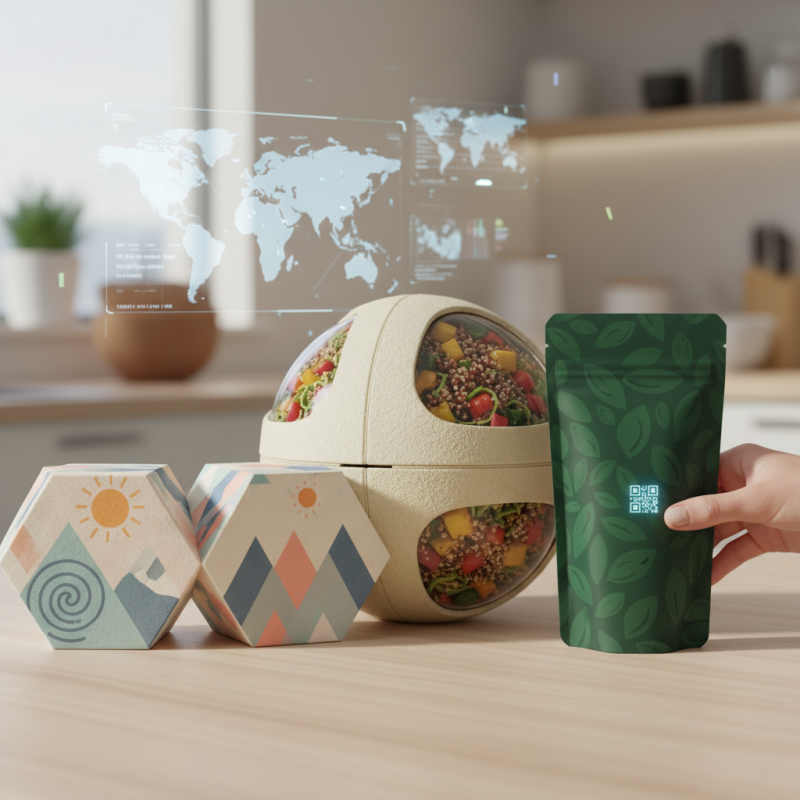
Moreover, smart packaging technology is on the rise. Innovations such as QR codes and interactive designs provide real-time information. These features enhance food safety and traceability. Yet, the reliance on technology raises concerns about privacy and information security. As the industry evolves, reflecting on these complexities is crucial. Brands must navigate these trends thoughtfully, ensuring they align with consumer beliefs and expectations.
Emerging Sustainable Materials in Food Packaging for 2026
Sustainability is the future of food packaging. As we approach 2026, emerging materials will play a crucial role. These materials are not only eco-friendly but also innovative. Companies are exploring biobased plastics, which reduce reliance on fossil fuels. Additionally, edible packaging is gaining traction. Imagine wrappers you can eat, leaving no waste behind.
Consumers demand transparency. Packaging made from renewable resources appeals to eco-conscious shoppers. Materials like mushroom-based packaging and seaweed film are practical options. These innovations address environmental issues while also being safe for food contact. However, scalability remains a challenge. Not every company can adopt these technologies quickly.
Here’s a tip: when choosing sustainable options, consider durability. Will the packaging keep food fresh? Another tip: engage with suppliers about their practices. Transparency about sourcing is vital. Finally, stay informed about these trends. Knowledge empowers better choices.
Top Packaging Food Trends for 2026
| Trend |
Description |
Sustainability Impact |
Example Materials |
| Biodegradable Packaging |
Packaging made from materials that break down naturally. |
Reduces landfill waste and pollution. |
PLA, PHA, starch-based polymers. |
| Edible Packaging |
Packaging that can be consumed along with the food. |
Minimizes waste and enhances user experience. |
Seaweed, rice paper, and milk-based films. |
| Recyclable Materials |
Materials that can be processed and reused. |
Supports circular economy and reduces resource consumption. |
HDPE, PET, paperboard. |
| Smart Packaging |
Packaging that incorporates technology to monitor freshness. |
Reduces food waste and enhances food safety. |
QR codes, sensors, and NFC tags. |
| Minimalist Design |
Simplified packaging focused on essential information. |
Decreases material usage and appeals to eco-conscious consumers. |
Simple paper wraps and monochrome designs. |
Innovations in Smart Packaging Technologies for Enhanced Freshness
The rise of smart packaging technologies is reshaping the food industry. These innovations aim to enhance freshness and improve the overall consumer experience. According to a recent report by Smithers Pira, the smart packaging market is expected to reach $46 billion by 2026. This growth highlights the importance of efficient food preservation methods.
Smart packaging includes features like sensors that monitor temperature and humidity. Such technologies can inform consumers if their food is still fresh. In addition, active packaging can release preservatives or absorb spoilage agents. This helps maintain the quality of perishable items for a longer time.
Tip: Consider using smart packaging in your food storage practices. Monitoring conditions can save both money and food waste.
While these advancements are exciting, challenges remain. Adoption costs can deter small businesses from investing. Additionally, consumer awareness about these technologies is still low. Many people might not understand how smart packaging works or its benefits.
Tip: Stay informed about smart packaging trends. Education can help you make better choices for your health and the environment.
Design Trends Influencing Food Packaging Aesthetics by 2026
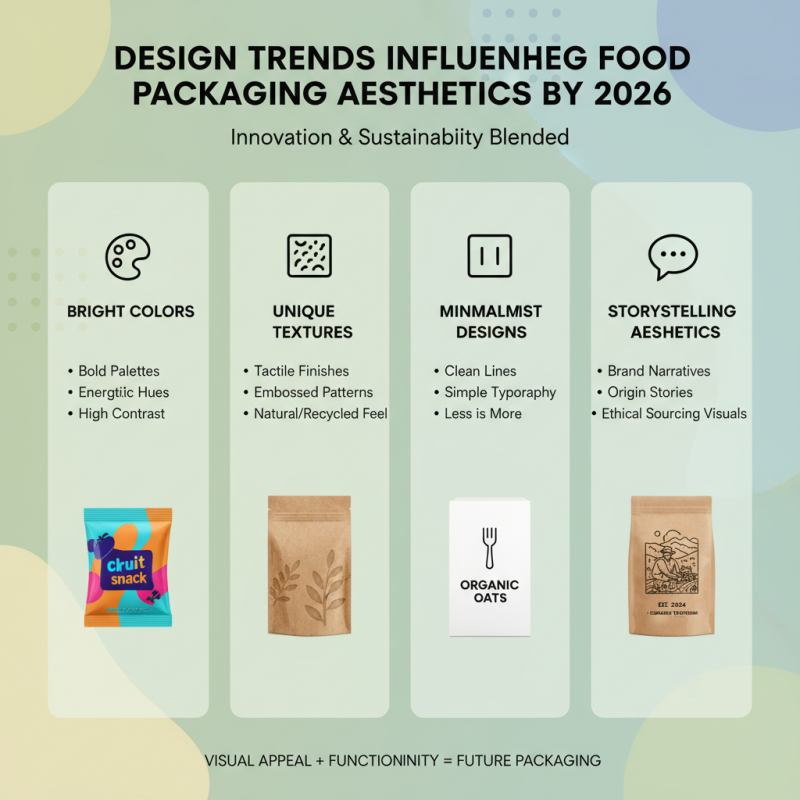
In 2026, food packaging will reflect a blend of innovation and sustainability. Bright colors, unique textures, and minimalistic designs will dominate. Consumers crave packaging that tells a story, making aesthetics an essential aspect. Visual appeal can enhance the food experience, but it should not overshadow functionality.
Tips: Focus on materials that are eco-friendly yet eye-catching. Integrate recycled elements to appeal to conscious customers. Consider how your design can promote brand identity while remaining simple.
Interactive packaging might gain traction. QR codes could provide information or recipes. This allows consumers to engage with products more deeply. However, the challenge lies in ensuring these features don’t complicate the packaging design.
Investing time in research can help identify trends that resonate. Regularly seek feedback to refine packaging choices. A balance between beauty and utility can elevate your product’s market presence while aligning with consumer needs. Remember, great design leads to memorable experiences.
Consumer Preferences Shaping Food Packaging Choices in the Future
As we look toward 2026, consumer preferences are increasingly driving food packaging choices.
Sustainability continues to be a key factor. Shoppers prefer materials that are recyclable or biodegradable.
This preference urges companies to innovate in their packaging approaches. Reduced plastic usage is a goal for many brands.
However, achieving this can be challenging, especially for perishable items.
Transparency also plays a crucial role.
Consumers want to know what they are buying. Clear labeling of ingredient sources and production practices is becoming essential.
This desire for information goes hand in hand with concerns over health.
Packaging shapes consumer perception. Often, vibrant colors or fancy designs attract attention, but they can obscure the product's true nature.
Balancing aesthetics with honest representation remains a complex task.
Moreover, convenience is non-negotiable. Busy lifestyles demand easy-to-open and resealable packages.
Yet, this can sometimes lead to over-packaging. Companies must navigate the thin line between convenience and sustainability.
As the market evolves, these preferences will shape more than just designs;
they will influence the entire supply chain.
Adaptation and innovation are paramount as we strive to meet these emerging demands.
Regulatory Changes Impacting Food Packaging Standards and Practices
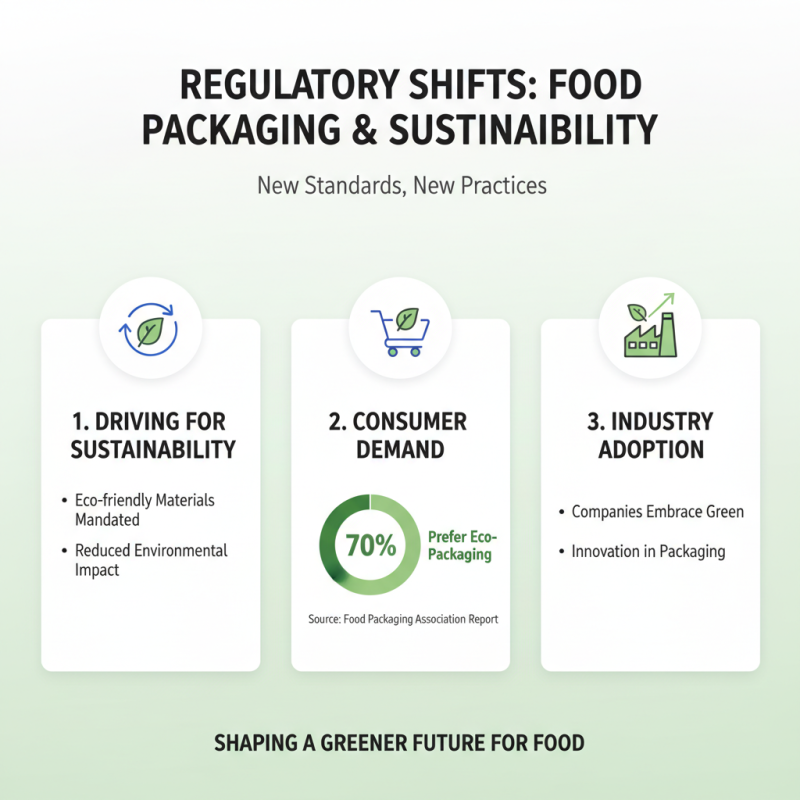
Regulatory changes are reshaping food packaging standards and practices. The demand for sustainable materials is rising. According to a recent report by the Food Packaging Association, nearly 70% of consumers prefer brands with eco-friendly packaging. This shift influences regulations, pushing companies to adopt more sustainable practices.
In 2026, new regulations will likely focus on reducing plastic waste. The European Union plans to enforce stricter guidelines on single-use plastics. Many countries are following suit. These modifications aim to minimize environmental impact. However, companies face challenges in compliance and adaptation. Transitioning to biodegradable materials often increases costs, affecting pricing strategies.
Furthermore, labeling regulations are becoming more stringent. Transparent information about ingredients is essential. The Food Safety and Inspection Service emphasizes the importance of consumer education. Companies must invest in clear, accurate labeling. This is not only a regulatory requirement but also a means to build trust with consumers. As these trends evolve, businesses must remain adaptable and proactive in addressing both compliance and consumer expectations.
 Innotex Group