What is Titanium Dioxide and How is it Used in Industries?
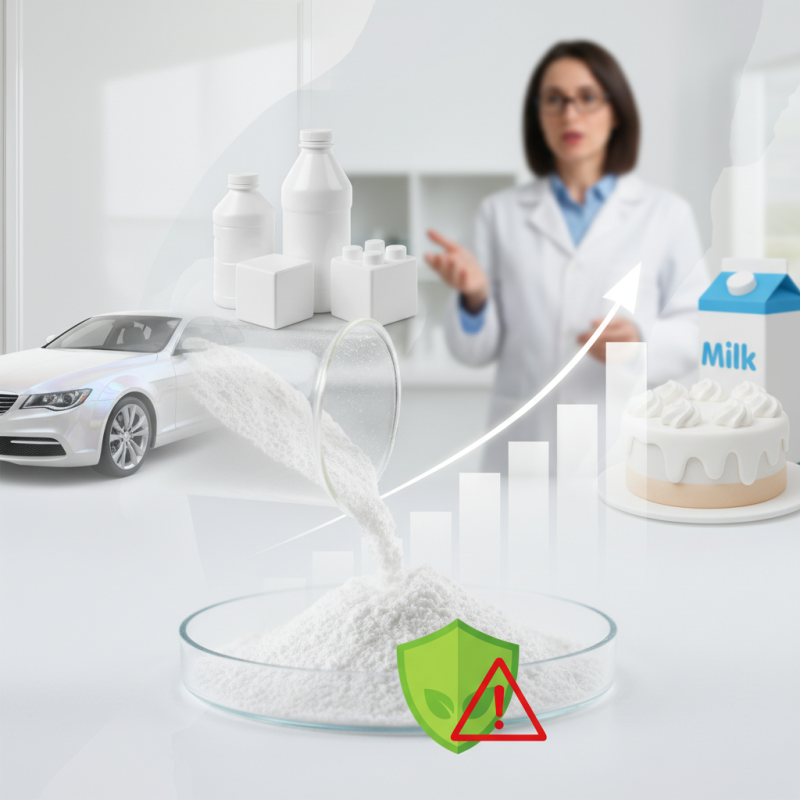
Titanium Dioxide is a white pigment widely used in various industries. This compound has significant applications in paints, coatings, plastics, and even food products. Recent industry reports reveal that the global Titanium Dioxide market is projected to reach $18.5 billion by 2027, growing at a CAGR of 5.2% from 2020. Such data underscores its importance in our daily lives.
Dr. Emily Stanton, a leading expert in materials science, states, "Titanium Dioxide is crucial for both its functionality and its ability to enhance product aesthetics." The substance provides durability and opacity, making it a preferred choice for manufacturers. However, despite its benefits, concerns about environmental impacts and health risks necessitate careful consideration in its use.
As we explore the advantages and challenges of Titanium Dioxide, it is vital to reflect on both its role and its implications. Market dynamics indicate a growing demand, yet sustainable practices are needed to mitigate negative effects. Consequently, understanding this compound's multifaceted applications and its potential challenges is essential for future developments in technology and industry.
What is Titanium Dioxide?
Titanium dioxide (TiO2) is a naturally occurring mineral. It is known for its bright white color and excellent opacity, making it a popular choice in various applications. The global titanium dioxide market was valued at approximately $15 billion in 2022, showcasing its vital role in industries like paints, coatings, and plastics.
In the paint industry, titanium dioxide serves as a pigment that enhances the brightness and durability of the product. The demand for this mineral is growing due to a push for more environmentally friendly options. Reports indicate that the North American market for titanium dioxide is expected to grow at a compound annual growth rate (CAGR) of 6% from 2023 to 2030. However, concerns about its safety in certain applications have raised questions. Studies highlight the need for a deeper understanding of its potential health effects.
Titanium dioxide is also used in the food and cosmetic industries, where it acts as a whitening agent. This expands its market reach, but regulatory scrutiny is increasing. Some countries have proposed restrictions on its use in food products, sparking debates over its safety. Companies are urged to reconsider their formulations, ensuring compliance with emerging regulations while still meeting consumer demands for quality and safety.
What is Titanium Dioxide and How is it Used in Industries?
| Industry | Primary Use | Form of Titanium Dioxide | Benefits |
| Paints & Coatings | Pigment for opacity and brightness | Anatase and Rutile | High coverage, UV resistance |
| Plastics | Colorant and UV stabilizer | Rutile | Improved durability, enhanced whiteness |
| Cosmetics | Pigment in skincare and makeup | Anatase | Non-toxic, provides sun protection |
| Food Industry | Whitening agent in food products | Rutile | Enhances color appearance |
| Pharmaceuticals | Colorant in tablets and capsules | Anatase | Inert, enhances pill visibility |
Chemical Properties of Titanium Dioxide
Titanium dioxide, often referred to as TiO2, is a versatile compound known for its brightness and high refractive index. It appears as a white powder and is primarily used in coatings, plastics, and cosmetics due to its pigmentation properties. The chemical structure of titanium dioxide can exist in different forms, primarily rutile and anatase. Rutile offers superior durability, while anatase is generally employed in specialized applications, like photocatalysis.
The chemical properties of titanium dioxide play a vital role in its applications. It is chemically inert, making it stable under various conditions. TiO2 can absorb UV light, which is beneficial for products requiring UV protection. However, its photocatalytic properties can be a double-edged sword. While beneficial in self-cleaning surfaces, it raises concerns about its effects on health and the environment. Researchers often debate the safety of nano-sized TiO2 particles used in consumer products, emphasizing the need for further studies.
When handling titanium dioxide, especially in powdered form, safety protocols must be strictly followed. Inhalation of the dust can lead to respiratory issues. Moreover, as industries shift towards sustainability, questions arise about the ecological impact of titanium dioxide production and disposal. The need for refinement and better practices continues to be a topic of concern within scientific communities.
Titanium Dioxide Usage in Various Industries
Applications of Titanium Dioxide in the Paint Industry
Titanium dioxide is a vital component in the paint industry, known for its outstanding opacity and brightness. This compound offers excellent coverage, allowing manufacturers to use less product while achieving vibrant colors. It is often preferred for its durability and resistance to discoloration, making it a staple in both interior and exterior paints.
**Tip:** Always consider the type of titanium dioxide used. Different grades serve different purposes, impacting the paint's final appearance and performance.
In addition to its coloring properties, titanium dioxide enhances the paint's resistance to UV radiation. This quality prolongs the life of the painted surface and maintains its aesthetic appeal over time. However, overuse can lead to environmental concerns. It's essential to balance performance with ecological considerations in formulations.
**Tip:** Look for eco-friendly formulations. Many manufacturers are exploring sustainable ways to incorporate titanium dioxide without compromising quality.
Ultimately, while titanium dioxide provides significant benefits, its application must be approached thoughtfully. The paint industry continues to evolve, seeking both performance and sustainability in their products.
Uses of Titanium Dioxide in Food and Cosmetics
Titanium dioxide (TiO2) is widely used in food and cosmetics. This compound serves multiple purposes due to its properties as a white pigment and its effectiveness as an ultraviolet (UV) filter. In cosmetics, it is popular for its ability to provide opacity and brightness. A report by the European Commission noted that titanium dioxide helps in creating vibrant colors in formulations while ensuring skin safety.
In food applications, titanium dioxide acts as a coloring agent. According to the Food and Drug Administration (FDA), it is approved for use in some food products, providing a bright white color. Studies indicate that around 6% of food products contain it, especially in items like confections and dairy products. However, this usage raises questions about safety. Some studies suggest potential health concerns involving nanoparticle exposure. Ongoing research seeks to address these implications.
While titanium dioxide adds aesthetic value, concerns exist regarding its safety. The lack of clarity on nanoparticle impacts creates a need for thorough research. Regulatory agencies continue to review its safety profile, weighing its benefits against potential risks. This ongoing dialogue illustrates the complexity of using titanium dioxide in consumer products.
Environmental and Health Considerations of Titanium Dioxide
Titanium dioxide (TiO2) is widely used across various industries, but its safety has raised significant environmental and health concerns. Studies indicate that inhaling titanium dioxide nanoparticles may pose risks, particularly for workers in manufacturing settings. The International Agency for Research on Cancer (IARC) classified airborne TiO2 as a possible human carcinogen. This classification highlights the need for careful monitoring and regulation.
In consumer products like paints, sunscreens, and food coloring, titanium dioxide is lauded for its brightening qualities. However, exposure through these products should not be overlooked. Research suggests that while TiO2 is generally safe at low levels, long-term exposure can lead to adverse effects, such as respiratory issues or skin irritation. Regulatory agencies continue to assess its safety.
**Tips:** Ensure proper ventilation when using products containing titanium dioxide. Opt for alternatives when possible, especially if you’re pregnant or have existing health conditions. Regularly check for updates on safety guidelines related to titanium dioxide from trusted health authorities.
 Innotex Group