Top Custom Packaging Trends for 2026 What Buyers Need to Know
In the dynamic world of retail, The Custom Packaging plays a vital role in brand differentiation and consumer engagement. As we approach 2026, staying ahead of custom packaging trends is essential for buyers. The right packaging can elevate a product, making it stand out on crowded shelves.
Shifts in consumer expectations and sustainability concerns shape the future of The Custom Packaging. Today's buyers seek more than just functional designs; they desire innovative materials and captivating graphics. Brands must reflect their values through their packaging choices. Limited resources can force businesses to rethink their packaging strategies, prompting creative solutions.
Nonetheless, adapting to emerging trends can be challenging. Brands often overlook consumer insights that drive effective designs. It is crucial to engage with audiences, understanding their preferences and values. The journey to effective custom packaging involves reflection and continuous improvement, ensuring brands meet the evolving demand for memorable and sustainable packaging solutions.
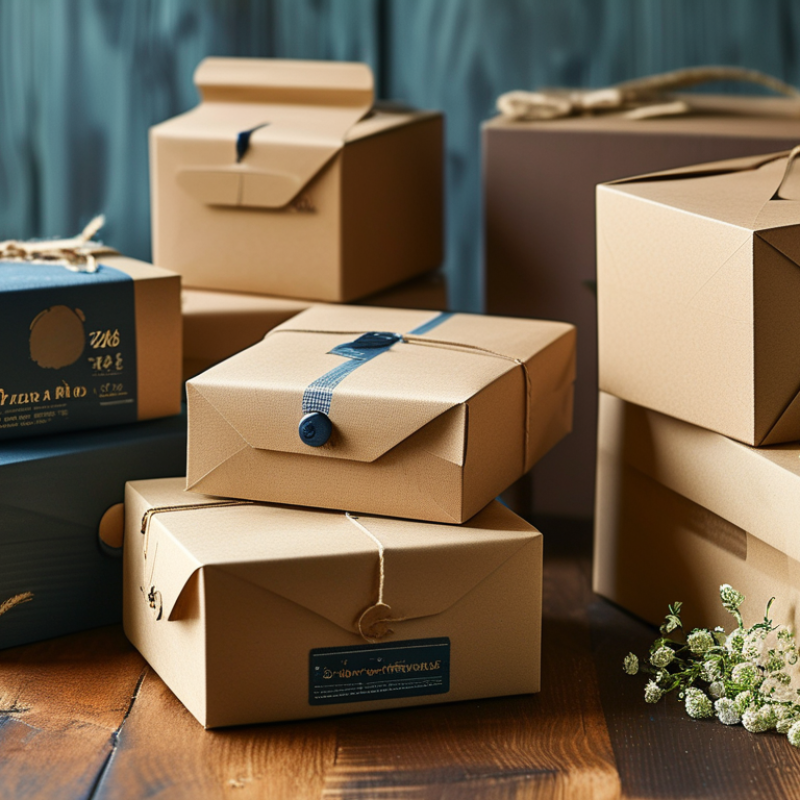
Top Custom Packaging Trends for 2026: What Buyers Need to Know
Custom packaging trends for 2026 are shaping the future of branding and consumer experience. Buyers need to be aware of several key developments. Sustainability remains a critical focus. Eco-friendly materials will dominate the market. Brands are pressured to reduce their carbon footprints. This pushes many to explore bioplastics and recyclable options.
Another important trend is personalization. Consumers now expect unique packaging that reflects their individuality. Custom designs that resonate with specific target audiences are essential. Using digital printing technology, brands can create limited editions that appeal to niche markets.
However, challenges exist. The balance between aesthetics and functionality is delicate. Some designs may look impressive but lack practicality. Brands must be cautious to avoid detracting from user experience. Continuous feedback from consumers will be vital in refining packaging strategies. Brands that listen will find greater success in a competitive market.
Rise of Sustainable Packaging: 55% of Consumers Prefer Eco-Friendly Options
The shift towards sustainable packaging is becoming increasingly apparent. A recent report highlights that 55% of consumers now prefer eco-friendly options when making purchases. This trend reflects growing environmental awareness among shoppers. Brands that adopt sustainable packaging practices may see increased customer loyalty and engagement.
The use of biodegradable materials is on the rise. Many companies are exploring alternatives to plastic. For example, using plant-based plastics or recycled paper can significantly reduce environmental impact. However, the challenge lies in balancing functionality and sustainability. Packaging must not only be green but also protect the product effectively.
There is an opportunity for brands to educate consumers about the benefits of sustainable packaging. Consumer understanding of what eco-friendly means can vary. Clarity and transparency can play a vital role in promoting these options. Brands must consider how they communicate their sustainability efforts. This can lead to a stronger connection with environmentally conscious consumers. The evolving market will require continuous reflection on the efficiency and effectiveness of eco-friendly packaging solutions.
Top Custom Packaging Trends for 2026 - What Buyers Need to Know
| Trend |
Description |
Consumer Preference (%) |
| Sustainable Materials |
Growing demand for packaging made from recycled or biodegradable materials. |
55% |
| Minimalist Design |
Focus on clean, simple designs that convey the essence of the brand without excessive embellishments. |
45% |
| Smart Packaging |
Integration of technology such as QR codes and NFC for enhanced customer engagement. |
30% |
| Customized Experiences |
Personalized packaging options that cater to individual customer preferences. |
50% |
| Reusability |
Packaging designed to be reused, reducing waste and enhancing sustainability. |
40% |
Personalization in Packaging: 75% Increase in Brand Loyalty Through Customization
Personalization in packaging is becoming increasingly crucial. Recent studies indicate a remarkable 75% boost in brand loyalty when consumers experience customization. This trend highlights the shift towards consumer-centric packaging solutions. Brands that invest in tailored packaging enhance customer engagement. Personalized designs foster emotional connections, making consumers feel valued.
In 2026, the landscape of custom packaging will continue evolving. Industry reports show that adaptive packaging not only meets individual preferences but also addresses sustainability. For instance, eco-friendly materials combined with personalized elements could increase sales by up to 30%. Brands may need to juggle personalization with environmental impact, leading to complex decisions.
Challenges may arise as businesses strive to balance customization and cost. Developing unique packaging can lead to increased production costs. Companies should consider efficient processes to maintain affordability. Additionally, relying solely on digital trends could alienate customers who prefer traditional packaging methods. Embracing a mix of innovation and classic appeal could prove beneficial.
The Impact of Tech Innovations on Packaging Design Efficiency
The packaging industry is rapidly evolving, driven by technological innovations that enhance design efficiency. In fact, a recent report by Smithers Pira highlights that technology could boost production efficiency by up to 30% by 2026. Automation, AI, and 3D printing are game-changers in this sector. These technologies enable designers to create customized packaging faster and more accurately.
For instance, AI-driven software can analyze consumer preferences in real-time. This capability allows companies to adjust designs based on trending styles or colors, ensuring relevance in the market. Moreover, 3D printing allows for rapid prototyping, reducing the time from concept to final product. A survey by Packaging Strategies found that 70% of industry professionals believe these technologies significantly lower costs while improving quality.
However, reliance on technology also presents challenges. There is a learning curve associated with integrating new systems, which can slow initial processes. Additionally, maintaining a balance between automated designs and human creativity is crucial. Over-reliance could lead to homogenization in packaging, where unique touches become less common. The packaging landscape in 2026 will require adaptability and awareness of these factors for sustained success.
Integration of Smart Packaging Solutions: Enhancing Customer Experience and Safety
Smart packaging is becoming essential for modern brands. Customers expect more than just a product; they want an experience. Innovations, like QR codes or NFC technology, allow direct interaction with packaging. These features let consumers access information or promotional content instantly. Imagine scanning a code to learn the product's story or its eco-friendly attributes.
Safety remains a priority. Getting real-time updates about product freshness can enhance customer trust. Packaging that changes color to indicate spoilage introduces a layer of protection. However, it’s vital to ensure these technologies are reliable. Many brands struggle with integrating these solutions effectively. They may face challenges like cost and complexity. It’s crucial to balance innovation with practicality.
As trends advance, manufacturers will need to adapt. Continuous feedback from consumers is key. This will help in refining smart packaging solutions. Brands should remember that technology must enhance, not complicate the buying experience. Investing in this integration is a worthwhile journey, but it requires careful consideration. The right approach can lead to stronger connections with customers.
Conclusion
The custom packaging landscape is evolving rapidly, with several key trends emerging for 2026 that buyers should be aware of. One significant trend is the rise of sustainable packaging, with 55% of consumers showing a preference for eco-friendly options. This shift is pushing brands to prioritize environmentally responsible materials and practices. In addition, personalization is becoming crucial, as studies indicate a 75% increase in brand loyalty through customized packaging solutions.
Technological innovations are also transforming packaging design efficiency, enabling more creative and effective solutions. The integration of smart packaging is enhancing customer experience and ensuring product safety, making it an important consideration for businesses. Lastly, buyers are seeking cost-effective packaging materials that do not compromise on quality, thus balancing budget constraints with durable and appealing designs. Overall, staying informed about these custom packaging trends will be essential for brands to meet consumer expectations and maintain competitive advantage.
 Innotex Group