How to Choose UVLED Flatbed Printing for Your Business?
In the rapidly evolving world of printing technology, UVLED Flatbed Printing is making significant waves. According to a report from Smithers Pira, the global market for UV inkjet technology is expected to reach $12 billion by 2025. This growth is driven by the ability to print on diverse surfaces and the increasing demand for environmentally friendly solutions.
Many businesses are exploring UVLED Flatbed Printing for its versatility. It allows printing on materials such as wood, glass, and metal. This capability opens new avenues for creative expression and profitable ventures. However, the decision to adopt this technology should not be taken lightly. There are various factors to consider, such as equipment costs, maintenance, and the learning curve involved. Even seasoned printers may find themselves needing to adapt their skills to utilize this advanced technology fully.
In choosing UVLED Flatbed Printing, businesses should weigh their options carefully. They must evaluate their capacity to invest in new technology versus the potential return on investment. As the industry matures, the choices may become overwhelming. It is essential to stay informed and make decisions based on solid data and your specific business needs. Ultimately, the right choice can drive significant growth and innovation.
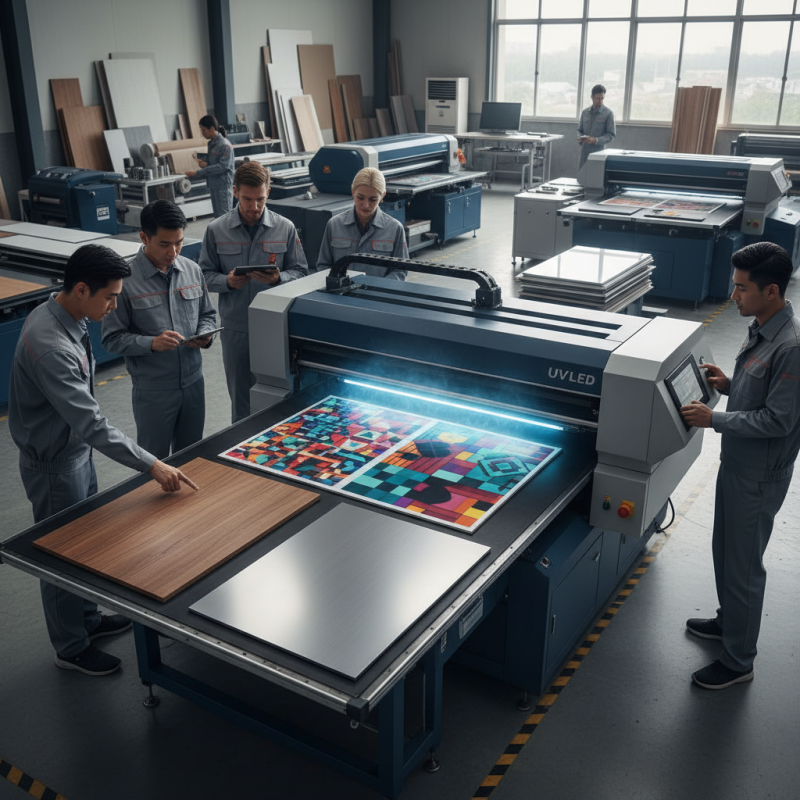
Understanding UVLED Flatbed Printing Technology
UVLED flatbed printing is a revolutionary technology that transforms various materials into vibrant, high-quality prints. This method uses ultraviolet light to cure ink as it is printed, providing durability and flexibility. According to a recent industry report, the UV printing market is expected to grow at a compound annual growth rate (CAGR) of 11% through 2026. This rise reflects its application in diverse sectors, including signage, packaging, and textiles.
The adaptability of UVLED flatbed printing allows for printing on surfaces such as wood, metal, and glass. This versatility is appealing for businesses looking to enhance their product offerings. However, some users may underestimate the setup costs, which can deter startups. Initial investments may be high, but the longevity of prints can justify this expense in the long run. A study indicated that ink costs for traditional printing could be up to 40% higher compared to UVLED options, pushing businesses towards a more economical choice.
While the benefits of UVLED printing are significant, it is essential to consider potential limitations. For instance, the curing process can be sensitive to environmental factors such as temperature and humidity. If not monitored, this may lead to inconsistent print quality. Additionally, training staff to operate UVLED printers effectively is crucial. Businesses might face challenges if adequate training programs are overlooked, resulting in wasted materials and time. These are critical aspects to evaluate when choosing UVLED flatbed printing for your enterprise.
Key Advantages of UVLED Flatbed Printing for Businesses
UVLED flatbed printing offers significant advantages for various businesses. This printing method uses ultraviolet light to cure or dry the ink as it is printed. One of the key benefits is its ability to print on a variety of materials. Wood, acrylic, metal, and glass all work well. This versatility can meet diverse client needs, leading to potential growth opportunities.
Additionally, UVLED printing provides vibrant colors and sharp images. The curing process ensures that the ink adheres well and resists fading. Businesses can create products that stand out. However, the technology requires an understanding of settings and materials to avoid issues with ink adhesion. Sometimes, trial and error may occur before achieving the desired results. This learning curve can be frustrating but necessary for improvement.
Environmental impact is another consideration. UVLED inks are often less harmful than traditional inks. They emit fewer volatile organic compounds, promoting a healthier work environment. Yet, it’s essential to research the specific inks used to ensure sustainability. Not all UV inks are created equal, and relying on poor-quality materials can lead to issues down the line. Thoughtful choices remain important in maximizing the benefits of UVLED flatbed printing.
Factors to Consider When Choosing a UVLED Printer
Choosing a UVLED flatbed printer can be a game-changer for your business. Several factors can influence your decision. One crucial factor is the size of the printer. Consider the dimensions of your workspace. A larger printer may offer more versatility, but it requires adequate space. Think about the projects you typically handle. Will a compact model fit your needs?
Another significant factor is print quality. Look for printers that can handle high-resolution images. Ensure the color accuracy meets your standards. Poor print quality can lead to customer dissatisfaction. Evaluate samples before making a decision.
**Tips:** Pay attention to the printing speed. A fast printer can boost productivity. However, ensure that it does not compromise the quality. Additionally, check the ease of use. A complicated interface can slow down your workflow.
Consider the cost of consumables as well. Ink and maintenance can add up quickly. Be cautious about hidden costs that may arise later. Evaluate your budget carefully before committing. Balance your choices between features and your business needs. Reflect on what is truly necessary for your success.
How to Choose UVLED Flatbed Printing for Your Business? - Factors to Consider When Choosing a UVLED Printer
| Factor | Description | Importance Level |
| Print Quality | Evaluate the resolution and color accuracy of the printer. | High |
| Material Compatibility | Ensure the printer can handle the types of materials you intend to print on. | Medium |
| Print Speed | Consider the speed of printing to meet your production demands. | High |
| Cost of Ownership | Include initial purchase price, maintenance, and ink costs. | High |
| User-Friendliness | Check if the printer software is intuitive and easy to navigate. | Medium |
| Support and Warranty | Assess the manufacturer's support services and warranty terms. | High |
Comparing UVLED Printers: Features and Specifications
When selecting a UVLED flatbed printer for your business, features and specifications matter. Look for print quality, speed, and compatibility. Resolution is important. Higher DPI ensures sharper images. Speed matters if you need to meet tight deadlines.
Consider the media compatibility. Some printers handle a variety of substrates, while others are more limited. This flexibility can open up new business opportunities. Evaluate the size of the print area as well. Larger prints can create more impact but require more space.
Tips: Always test print samples if possible. This will help gauge print quality firsthand. Pay attention to maintenance requirements too. Some machines need regular upkeep, which can affect productivity. Cost is always a factor. Balance the initial investment against long-term benefits.
Watch for energy consumption as well. Efficient printers can reduce operating costs. Finally, think about future needs. Will your business grow? Select a printer that adapts to changes. Reflecting on all these aspects can help you make a well-informed decision.
Comparing UVLED Printer Features
Cost Analysis: Investing in UVLED Flatbed Printing Equipment
When investing in UVLED flatbed printing equipment, cost analysis is crucial. The initial investment can be substantial, often ranging from $50,000 to $500,000, depending on the machine’s capabilities. This cost includes not only the printer itself but also necessary software and maintenance agreements. Many businesses overlook ongoing operational costs. Ink and substrate expenses can add up significantly over time, impacting profitability.
According to industry reports, the return on investment (ROI) for UVLED printers can be impressive. A well-managed operation can achieve 25% to 50% ROI within the first three years. However, the learning curve is steep. Improper training can lead to wasted materials and inefficiencies. It’s essential to recognize that not every project demands a UVLED printer, which can create a dilemma for some businesses. Investing without a clear strategy can result in unnecessary expenditures.
Market demand for UV printing is on the rise, which affects equipment costs. In 2022, the global UV printer market was valued at approximately $2 billion. Analysts predict consistent growth, estimating a compound annual growth rate (CAGR) of 7% through 2030. Yet, competitors are also expanding, which can intensify price wars. Companies must carefully analyze their niche and customer base to determine if the investment will yield sustainable profits.
 Innotex Group