How to Choose the Right Paper Cylinders for Packaging?
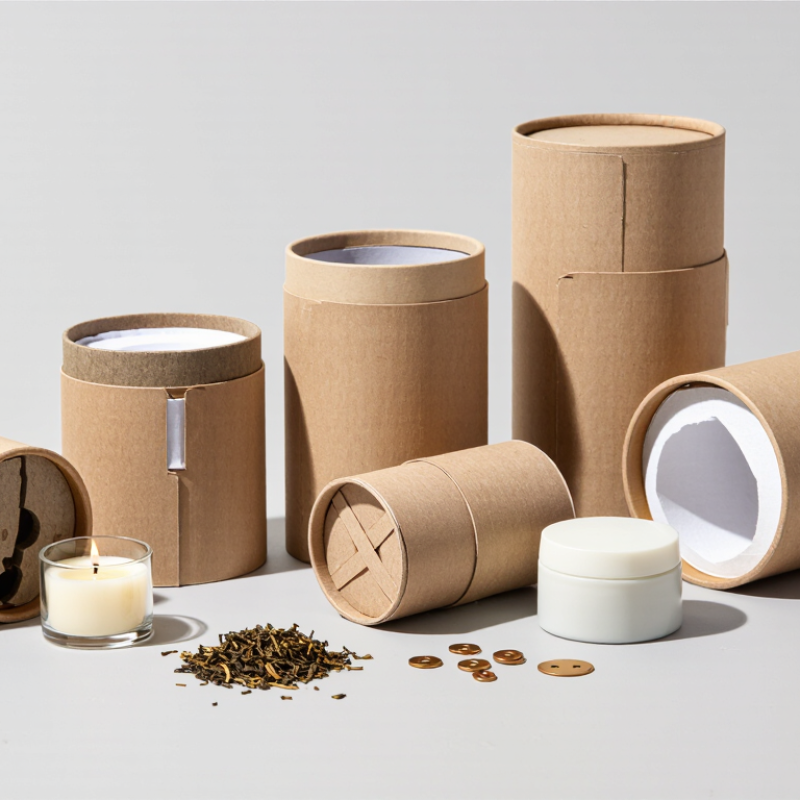
Choosing the right Paper Cylinders begins with the product, not the artwork. A candle, tea blend, cosmetic, or hardware item creates different packaging demands. Its weight, shape, moisture sensitivity, and shelf life must guide every decision. A narrow tube may protect a small product efficiently. A wider cylinder may need stronger walls and internal supports. Small details matter.
Packaging specialist Dr. Susan Selke has stated, “Packaging is part of the product experience.” This perspective remains practical. Customers notice the cylinder’s surface, opening, rigidity, and sound. They also judge whether it feels secure in their hands. Select paperboard thickness carefully. Test the closure repeatedly. Check how labels behave near seams and curved edges. A beautiful design can still fail during transport.
Reliable selection requires evidence from real conditions. Measure compression strength, drop resistance, moisture exposure, and stacking performance. Compare recycled, virgin, and mixed-fiber boards. Printing quality matters, but structural performance comes first. Ask suppliers about tolerances, adhesives, coatings, and production consistency. Samples should include the actual product, not an empty substitute.
There is no perfect formula.
A cylinder that performs well in a showroom may soften in a humid warehouse. A premium finish may increase cost without improving protection. These trade-offs deserve honest review. The best Paper Cylinders balance protection, appearance, usability, sustainability, and budget. This guide will examine those factors closely, while recognizing one uncomfortable truth: packaging decisions sometimes require testing, revision, and a second look.
Identify the Packaging Requirements and Product Characteristics
Choosing the right paper cylinder begins with the product, not the artwork. Measure its weight, shape, moisture level, aroma, oil content, and sensitivity to light. Powdered goods may need an inner liner to prevent leakage. Moist products require stronger moisture barriers. Fragile items need cushioning and controlled compression strength.
Packaging conditions matter too. Will the cylinder travel through humid warehouses or dry retail shelves? Will it face stacking, vibration, or automated filling? Record the filling speed and closure method before selecting the board grade. A cylinder that feels rigid by hand may still deform under pallet pressure. That mistake is easy to make.
The market is moving toward fiber-based formats. Smithers’ The Future of Sustainable Packaging to 2028 forecasts the sustainable packaging market will reach about $423.56 billion by 2028. CEPI reported an 82% paper recycling rate in Europe for 2022. These figures support recyclable designs, but recyclability depends on coatings, adhesives, liners, and local facilities. A glossy cylinder with mixed materials may perform well, yet create sorting difficulties. Packaging tests should include drop impact, compression, seal integrity, and moisture exposure. In practice, one test cycle is rarely enough. Product behavior can change after storage.
How to Choose the Right Paper Cylinders for Packaging?
Identify the packaging requirements and product characteristics before selecting the cylinder structure, wall strength, and protective finish.
The chart uses a 0–100 screening score to show how strongly each packaging factor should influence paper-cylinder selection. Heavy or fragile products require greater compression strength, moisture-sensitive contents require a barrier layer, and premium retail products place more emphasis on printability and surface finish. Final specifications should be confirmed through compression, drop, moisture, and product-compatibility testing.
Select the Appropriate Cylinder Size, Shape, and Closure Design
Choosing a paper cylinder begins with the product, not the artwork. Measure height, diameter, fill volume, and headspace carefully. A cylinder that is too wide wastes material and shelf space. One that is too narrow can crush biscuits or distort powders. Smithers’ 2024 paper-packaging outlook places global demand above US$400 billion by 2028. That scale increases pressure to reduce material waste.
Shape affects both handling and perception. Tall cylinders suit powders, tea, and stacked snacks. Short, wide forms offer better stability during transport. Consider pallet patterns, hand grip, and label alignment. The closure also deserves practical testing. A friction-fit lid supports quick access. A metal-free paper lid may improve recyclability, but moisture resistance can become weaker. PMMI’s 2024 packaging trends research identifies right-sizing and sustainability as continuing equipment priorities. The figures are useful, but they cannot replace line trials.
Tips: Leave 3–5% headspace for fragile contents. Test lid torque, drop resistance, humidity, and repeated opening. I have seen attractive cylinders fail because the rim softened after one humid week. That mistake is easy to miss. Recheck the design with real contents, real filling speeds, and real storage conditions. Perfect dimensions rarely survive production unchanged.
Evaluate Sustainability, Printing Options, and Regulatory Compliance
Choosing paper cylinders requires more than checking the fiber content. Examine the full structure: board grade, adhesive, liner, lid, ink, and coating. CEPI reported a European paper recycling rate of about 79% in 2023. However, a cylinder with plastic components or heavy varnish may not follow the same recovery route. Ask the converter for fiber certification, recycled content evidence, and end-of-life testing. The result can be less impressive than the specification sheet.
Printing also affects sustainability and compliance. Flexographic printing suits long runs, while digital printing supports short runs and variable artwork. Offset labels can deliver sharp details, but laminated layers may complicate recycling. Request ink-migration data for direct-contact packaging. For food applications, evaluate set-off, odor, mineral oil migration, and non-intentionally added substances. In the United States, applicable FDA food-contact requirements should be checked. In Europe, paper contact rules may also depend on national guidance because no single harmonized framework covers every paper material.
Regulatory review must include the whole package, not only the paper body. Adhesives, coatings, and inner barriers can change the compliance result. EPA data reported a 68.2% recycling rate for paper and paperboard in 2018, but recovery infrastructure varies widely by region. Do not treat that figure as a guarantee. I once overlooked the metal end cap. That small detail weakened the recycling claim. Ask for migration reports, chemical declarations, print specifications, and real recycling feedback before approving production.
Test Samples and Choose a Reliable Paper Cylinder Supplier
Choosing a paper cylinder should begin with physical samples, not a catalogue image. In production trials, small details matter: wall thickness, seam strength, lid fit, and inner surface smoothness. Test the cylinder with your actual product, filling weight, and closure method. Run compression, drop, vibration, and moisture-exposure tests. A sample may look perfect on a desk, yet deform during stacking. That mistake is costly.
Smithers’ report, The Future of Global Packaging to 2028, forecasts the worldwide packaging market will exceed 1.2 trillion dollars by 2028. Growth increases pressure on suppliers to deliver consistent, lower-impact packaging. Eurostat recorded 188.7 kilograms of packaging waste per EU resident in 2021. These figures support careful material selection, but they do not guarantee performance. Ask suppliers for paper specifications, recycled content data, batch traceability, and documented quality tolerances. Request samples from different production batches. One successful sample is not enough.
Tips: Measure every sample. Record diameter, height, weight, and wall thickness. Check compression after 24 hours. Ask for a small pilot order before large-scale production. A reliable supplier should explain test methods clearly, share inspection records, and respond quickly when results fail. Short answers can be a warning sign. Also review lead times, packaging for shipment, and corrective-action procedures. I would not choose the cheapest cylinder without testing it twice. That decision often needs rethinking.
 Innotex Group