How to Choose the Best Packaging Printer for Your Business?
Choosing the right Packaging Printer is vital for any business aiming to stand out. According to Lisa Thompson, a renowned expert in packaging solutions, “The right printer can elevate your brand image significantly.” This statement embodies the importance of making informed decisions in selecting a packaging printer that aligns with your business needs.
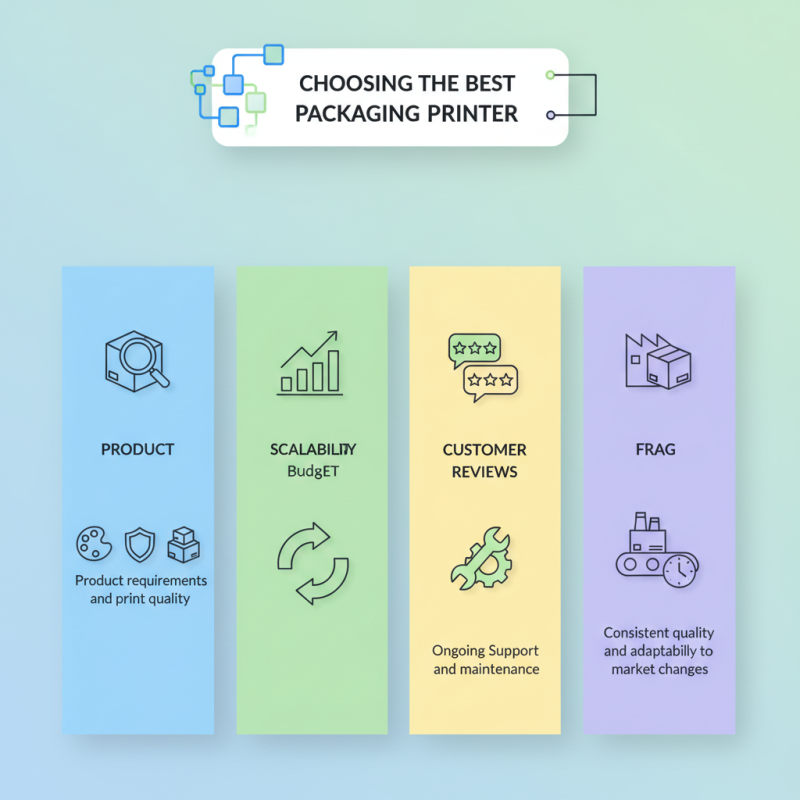
When considering a Packaging Printer, it's essential to evaluate your product requirements and budget. Different printers offer varying capabilities, from materials to print quality. Do you need vibrant colors or high durability? Each choice will impact your overall presentation. Businesses should not overlook the printer’s scalability as your needs may grow over time.
Moreover, exploring customer reviews can be eye-opening. Some companies may overlook the importance of ongoing support and maintenance. Ignorantly opting for the cheapest option can lead to dissatisfaction down the road. Having a reliable Packaging Printer means consistent quality and the ability to adapt to changing market needs. This requires careful thought and consideration.
Understanding Your Packaging Needs and Business Requirements
When selecting a packaging printer, understanding your distinct needs is crucial. Consider the types of products you offer. Are they fragile, bulky, or perishable? Each requires different materials and designs. Think about the colors and branding elements that matter to you. A well-printed package can enhance your product's appeal and convey your brand's identity.
Next, evaluate your business requirements. How many packages do you need? Are you launching a new product or replenishing stock? The volume will significantly influence your choice of printer. Smaller runs often mean higher per-unit costs, while larger orders can lead to savings. Reflect on your budget too. Is it flexible, or are you constrained?
Finally, consider the turnaround times. Urgent orders and quick changes can strain any printing partnership. Communication is vital here. A mismatch in expectations can lead to dissatisfaction. Identify potential printers who can adapt to your dynamic needs. Be clear about timelines and ask the tough questions. Each detail you solidify can save you headaches later.
Evaluating Different Types of Packaging Printers Available
When evaluating different types of packaging printers, it’s crucial to understand your specific needs. Digital printers offer flexibility and quick turnaround times. They can produce small batches economically. According to a recent industry report, 42% of businesses prefer digital printing for short runs. This is because it eliminates the high costs associated with traditional methods.
On the other hand, flexographic printing excels in high-volume production. It’s notably efficient for long runs. However, setup costs can be steep. A study indicated that companies using flexographic printing see an average of 15% reduction in per-unit costs for large orders. It's also important to reflect on your design complexity. Some printers struggle with intricate designs, which can impact quality.
In choosing the right printer, consider these trade-offs. Balance quality and cost with your volume needs. Invest time in research to avoid common pitfalls. Ask specific questions about capabilities. This will inform your decision.
Key Features to Look for in a Packaging Printer
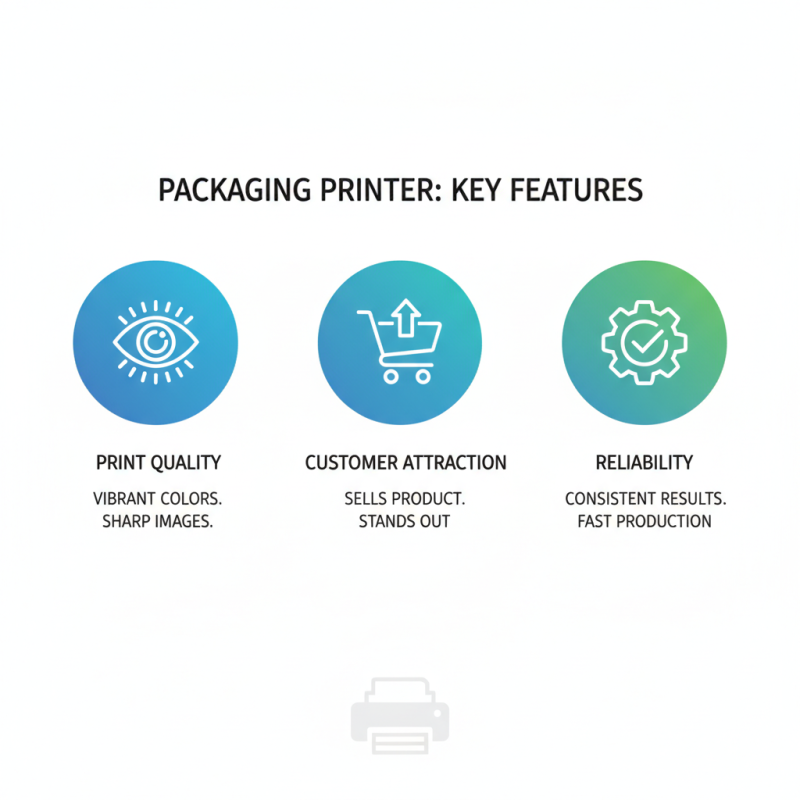
When choosing a packaging printer, several key features matter. Print quality is crucial. You want vibrant colors and sharp images. It's essential for attracting customers.
Consider the printer's speed, too. A slow printer can delay production. Efficient printers help you meet deadlines. Also, think about the types of materials you will use. Some printers handle a variety well, while others are limited.
Tips for a smooth selection process: check for customer reviews. They offer insight into reliability. Also, think about your budget. High-quality printers can be pricey, but they pay off in the long run. Evaluate warranties and support options, too. A good support team can save you time and trouble.
One area often overlooked is software compatibility. Ensure the printer fits with your design tools. Printing should be seamless. Lastly, reflect on your business's future needs. Choose a printer that can grow with you.
Analyzing Cost, Efficiency, and Quality in Printer Options
When selecting a packaging printer, cost, efficiency, and quality are vital. Your budget will significantly influence your choice. Mishandling this aspect can lead to overspending. Analyze the total cost of ownership. Consider not just the initial cost but also maintenance and supplies.
Efficiency is another critical factor. A slow printer can hurt production timelines. Ensure the printer you choose meets your output needs. Speed is crucial, but quality should not be compromised. It’s essential to review samples before making a decision.
Tips: Evaluate your printing volume needs. If you have seasonal peaks, opt for a printer that can handle fluctuations. Look for models with lower waste rates. This can save money and reduce environmental impact. Check user reviews to identify any common issues. This can help avoid potential pitfalls in your choice. Always think about future needs, as business growth may require advanced features later.
Printing Technology Comparison
Researching and Comparing Packaging Printer Suppliers and Services
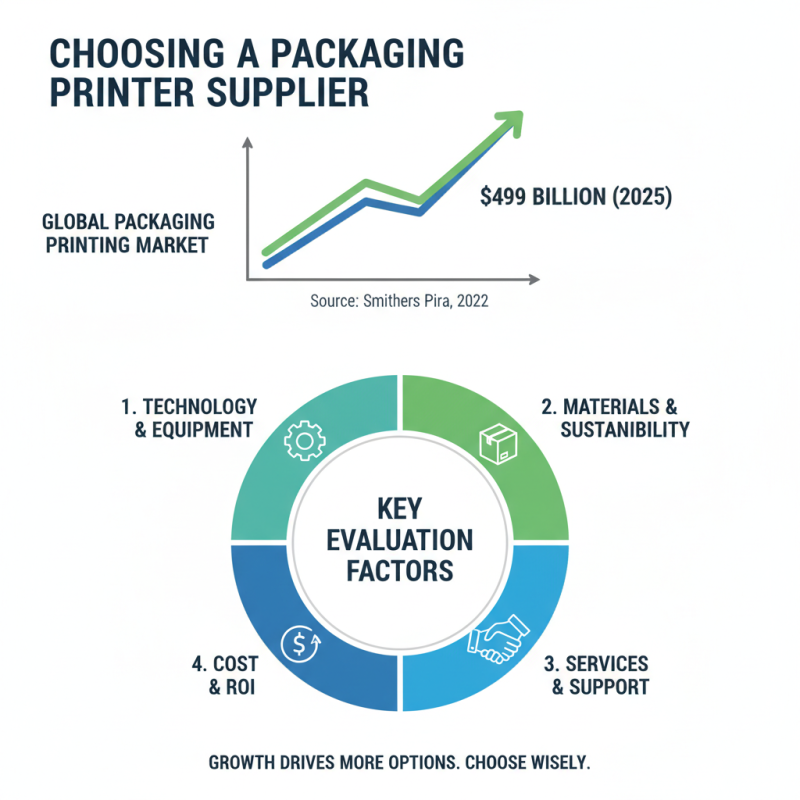
When researching packaging printer suppliers, it's crucial to evaluate various factors. According to a 2022 industry report by Smithers Pira, the global packaging printing market is expected to reach $499 billion by 2025. With so much growth, the number of suppliers is increasing, making it essential to compare their services effectively.
Start by examining print quality. Different printers use various technologies like digital, flexographic, and gravure. Depending on your specific needs, the quality can vary significantly. For example, digital printing may offer vibrant colors and quick turnaround times, but may not be cost-effective for large runs. This contrast needs careful reflection on your business goals.
Next, consider the supplier's sustainability practices. A recent survey by the Clean Print Initiative showed that 72% of consumers prefer brands that prioritize eco-friendly packaging. If your chosen printer cannot provide sustainable options, it could impact your brand image. Not all suppliers offer transparent information on their sustainability measures. This gap in data may require additional research, but it’s worth the effort to align your business values with your packaging choices.
 Innotex Group