How to Choose a Deodorant Container for Global Sourcing?

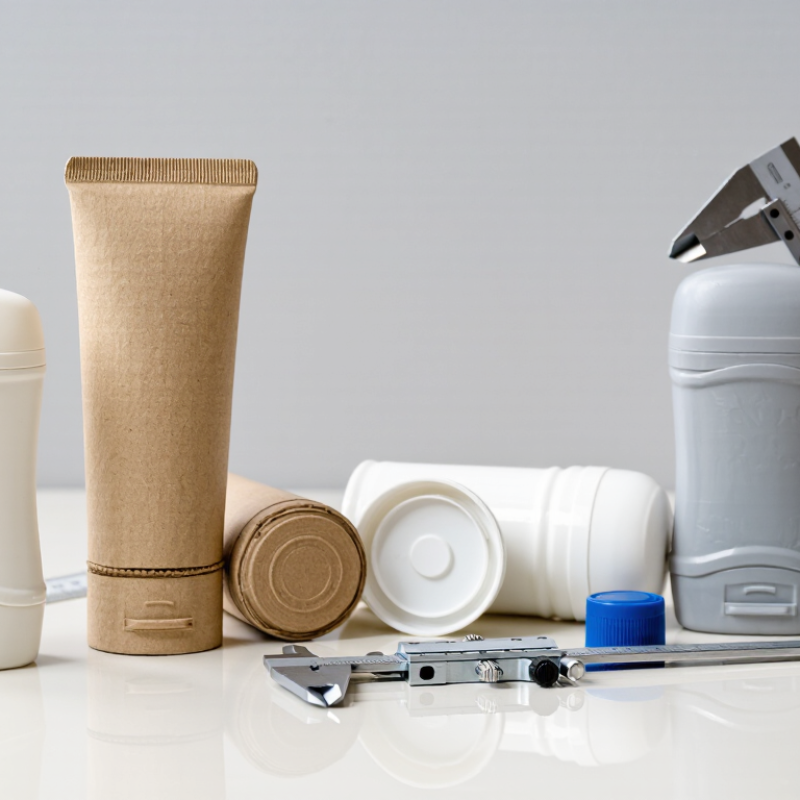
Choosing a Deodorant Container for global sourcing involves more than comparing unit prices. The package must protect the formula, support efficient filling, and survive long-distance handling. In practice, small details matter: a 50-milliliter stick, a tight cap, and a smooth twist mechanism. Buyers should examine material options, wall thickness, decoration quality, and compatibility with the deodorant base. Plastic, paperboard, and recycled materials each create different performance and communication challenges.

Ask suppliers for samples. Then test them. Check leakage, odor transfer, cap retention, and operation after temperature changes. Those checks reveal weaknesses that photographs rarely show. Reliable sourcing also depends on evidence, not polished promises. Request technical drawings, material declarations, production tolerances, inspection records, and representative samples. An experienced packaging engineer can connect these documents with filling-line realities and customer expectations. Independent testing may also clarify safety, durability, and applicable market requirements.

Regional preferences deserve attention. Some markets favor minimalist finishes, while others expect bold color and easy dispensing. Global projects can also expose differences in recycling infrastructure, labeling practice, and shipping conditions. No checklist is flawless. A glossy container may impress during review but disappoint during assembly. That possibility deserves honest discussion. This guide offers a practical framework for balancing protection, cost, sustainability, supplier capability, and brand consistency. The goal is not the cheapest container. It is dependable performance.
How to Choose a Deodorant Container for Global Sourcing?

Define Deodorant Container Types and Their Main Applications

How to Choose a Deodorant Container for Global Sourcing?

Deodorant containers should match the formula, usage scene, and filling process. Stick containers suit solid formulas and provide clean, direct application. They are common for daily personal care and travel-size products. Roll-on bottles work well with liquid or gel formulas. Their roller ball controls dosage and reduces hand contact. However, the ball must rotate smoothly after storage and transport. Spray containers support quick, even coverage over larger areas. They require a compatible pump, actuator, and protective cap. Cream deodorants often use jars or squeeze tubes. These formats suit users who prefer fingertip application or precise dosing.

Material selection affects performance and sourcing risk. Polypropylene and polyethylene offer light weight and good chemical resistance. PET can provide a clear appearance for liquid formulas. Aluminum offers a rigid, premium feel but may require internal protection. Glass looks substantial, yet it increases breakage and shipping weight. Refillable containers can reduce material use, but they need durable threads and simple cleaning. Convenience matters.

During supplier evaluation, request compatibility samples before approving a large order. Test leakage after temperature changes, vibration, and repeated opening. Check whether the closure fits the filling line and local packaging requirements. Small details matter, such as a cap that stays secure inside a suitcase. A container may look attractive but perform poorly under pressure.

Sourcing teams sometimes focus too heavily on unit price. That is a mistake. Mold costs, freight space, defect rates, and recycling instructions can change the real cost. Triangulate supplier data with practical testing. Perfect decisions are rare. Recheck assumptions.

Assess Product Formula, Compatibility, and Protection Requirements

How to Choose a Deodorant Container for Global Sourcing?

Assess Product Formula, Compatibility, and Protection Requirements

Choosing a deodorant container for global sourcing starts with the formula, not appearance. A cream stick, gel, roll-on, and liquid create different packaging demands. Check oils, alcohol, salts, fragrance, and active ingredients before requesting quotations. These materials can soften plastics, swell seals, or change the surface finish. Ask suppliers for resin data, closure specifications, and compatibility test records. Do not rely on visual similarity alone. A container may look suitable and still leak after weeks of storage.

Run filled-pack tests under realistic conditions. Store samples upright and on their sides. Include heat, cold, vibration, and repeated opening cycles. Inspect torque, wiper fit, actuator movement, odor transfer, discoloration, and weight loss. For export shipments, protection must cover more than the primary container. Evaluate cap retention, wall strength, carton compression, and cushioning during pallet handling. A small shoulder crack can become a costly claim.

In sourcing projects, I prefer testing production-intent samples rather than attractive prototypes. Confirm dimensions, material grades, recycled content claims, and quality tolerances in writing. Request samples from more than one batch when possible. Results can vary. I once treated a successful seven-day test as sufficient, but longer exposure revealed a slow fragrance change. That mistake changed our review process. We now record formula age, fill temperature, storage position, and inspection dates.

How to Choose a Deodorant Container for Global Sourcing? — Assess Product Formula, Compatibility, and Protection Requirements
Formula Type Typical Formula Characteristics Recommended Container Materials Compatibility Risks to Check Protection Requirements Global Sourcing Considerations Recommended Validation Tests
Anhydrous Stick Waxes, oils, fatty alcohols, emollients, fragrance, and deodorizing or antiperspirant active ingredients; contains little or no water. Polypropylene (PP) or high-density polyethylene (HDPE) twist-up container with a compatible internal elevator and closure. Fragrance oils and botanical extracts may soften, swell, or stress-crack some plastics. High levels of oils can also affect labels and decorative coatings. Good seal against dust and moisture. The closure should prevent product drying, sweating, or transfer during transport. Generally suitable
Lightweight PP and HDPE formats are widely available and usually efficient for international shipping.
Accelerated stability, leakage, torque, drop, vibration, label adhesion, stress-cracking, and repeated twist-up/twist-down testing.
Water-Based Roll-On Water, humectants, emulsifiers, fragrance, preservatives, and often aluminum salts or other functional actives; usually low to moderate viscosity. Glass, PP, or HDPE bottle with a compatible roll-on ball, insert, and cap. Water and salts can increase corrosion risk for unsuitable metal components. Preservatives and surfactants may interact with elastomer seals or applicator parts. Reliable leak prevention is essential. The ball-and-insert system must limit evaporation, contamination, and product backflow. Generally suitable
Plastic containers reduce breakage risk; glass may provide a premium appearance but requires stronger transit protection.
Microbiological challenge testing, preservative efficacy testing, leak inversion, pressure variation, roll-on performance, corrosion, and compatibility testing.
Alcohol-Based Spray Ethanol or another approved solvent combined with fragrance, deodorizing agents, and sometimes water; typically low viscosity and highly volatile. Glass or solvent-compatible HDPE container with a spray pump, gasket, dip tube, and protective overcap. Alcohol can extract or swell certain elastomers, adhesives, inks, and coatings. Fragrance compounds may also stress-crack some plastics. High-quality closure and actuator protection are required to prevent evaporation, accidental spraying, and leakage. Keep away from excessive heat. Material validation required
Transport classification, flammability documentation, and destination-market shipping rules must be reviewed before sourcing.
Evaporation loss, leak and pressure cycling, spray pattern, actuator force, chemical compatibility, temperature cycling, and package integrity testing.
Cream or Balm Emulsion or semi-solid blend containing water or oils, fatty materials, emulsifiers, fragrance, preservatives, and deodorizing actives. PP or HDPE jar, tube, or airless container. An inner seal can help protect the formula during distribution. Emulsions may separate when exposed to temperature stress. Oils, fragrance, and preservatives can affect liners, gaskets, adhesives, and plastic surfaces. Protection from contamination, oxygen, and moisture loss is important. Airless packaging may reduce repeated exposure during use. Generally suitable
Tubes and airless packs can improve hygiene and reduce product contact with fingers, while jars may be simpler to source.
Freeze-thaw, centrifuge, viscosity, emulsion stability, microbial testing, dispensing consistency, seal integrity, and user-opening tests.
Aerosol Antiperspirant Pressurized liquid or suspension containing active ingredients, solvents, fragrance, and a propellant system. Purpose-built pressure-rated steel or aluminum aerosol can with a compatible valve, actuator, gasket, and overcap. Formula ingredients and propellants must be compatible with the can lining, valve components, gaskets, and actuator. Corrosion and pressure loss are critical risks. Requires controlled pressure resistance, reliable crimping, leak prevention, and protection from heat, puncture, and impact. Specialized sourcing required
Supplier capability, pressure-pack regulations, dangerous-goods requirements, labeling rules, and recycling infrastructure vary by market.
Pressure and burst testing, leak testing, crimp inspection, spray performance, corrosion, temperature cycling, flammability, and transport simulation.
Waterless Powder Dry powder containing absorbent minerals, starches, deodorizing agents, fragrance, or antiperspirant actives. HDPE or PP shaker bottle, sifter jar, or dispensing tube with a tight-fitting cap. Fine powders may migrate through loose closures. Fragrance oils can affect plastic, while moisture can cause caking and reduced flow. Strong moisture barrier and controlled dispensing are essential. The package should minimize dust release and accidental opening. Generally suitable
Lightweight plastic formats are practical for air and sea freight, provided the closure controls powder leakage.
Moisture transmission, powder flow, caking, closure leakage, inversion, drop, vibration, dispensing dose, and fragrance retention tests.
Refill or Reusable System May use a concentrated refill, solid insert, cartridge, or pouch intended for insertion into a durable outer container. Durable PP, HDPE, aluminum, or stainless-steel outer case with a replaceable inner cartridge or refill pouch. Repeated assembly can wear threads, clips, seals, and hinges. Formula leakage may occur if the refill interface is not precisely controlled. Requires robust mechanical protection, tamper evidence where applicable, and a reliable interface between the refill and outer container. System-level validation required
Global sourcing should consider refill availability, replacement compatibility, reverse logistics, and consumer instructions.
Repeated opening and closing, refill insertion, seal cycling, drop, compression, leakage, wear, consumer usability, and dimensional tolerance testing.
Universal Selection Checklist Applies to all deodorant formats regardless of the formula or dispensing method. Select materials based on the complete formula, closure system, decoration, and intended distribution environment. Check active ingredients, alcohol, water, salts, acids, oils, fragrance, preservatives, propellants, and pH against every package component. Define requirements for light, oxygen, moisture, heat, impact, vibration, leakage, contamination, and tamper resistance. Market-specific review
Confirm packaging regulations, labeling, recycling claims, restricted substances, transport conditions, and supplier quality documentation.
Use filled-pack stability studies and transport simulations; do not rely only on resin compatibility charts or empty-container testing.
Compatibility ratings are general sourcing guidance, not a substitute for filled-package validation. Final selection should be based on the actual formula, concentration, package components, storage conditions, transport route, and target-market requirements.

Compare Materials, Closures, Sizes, and Dispensing Systems

How to Choose a Deodorant Container for Global Sourcing?

Material choice affects product stability, shipping cost, and consumer experience. Plastic containers are lightweight and resist breakage during long transport. Aluminum feels premium, but dents can appear under pressure. Paper-based structures may reduce plastic use, yet moisture resistance needs careful testing. Glass offers strong barrier protection, although its weight increases freight costs and breakage risks.

Closures should match the formula and dispensing system. Screw caps are reliable and easy to replace. Snap-on caps save time, but loose fitting can cause leakage. Roll-on systems need a smooth ball, consistent flow, and a secure inner seal. Stick containers require accurate twisting mechanisms. Pump formats can improve hygiene, but their springs and valves may complicate recycling. Size also matters. A 50 ml pack suits daily carry, while larger formats support household use. Smaller packs may look efficient, but they can increase packaging waste per gram of product.

Tips: Test at least three materials before final sourcing. Fill samples and store them in hot, cold, and humid conditions. Check cap torque, leakage, label adhesion, and dispensing performance after transport simulation. Ask suppliers for material specifications and production samples. Do not trust appearance alone. I once found a visually perfect container that warped after heat exposure. That mistake was avoidable. Also review local packaging requirements before ordering large quantities, because accepted materials and labeling expectations can differ between markets.

Evaluate Sustainability, Customization, and Global Compliance

Choosing a deodorant container for global sourcing requires more than comparing unit prices. Start with sustainability. Assess the container’s material, recycled content, refill potential, and end-of-life options. A mono-material design may simplify recycling, while mixed parts can create sorting problems. Ask suppliers for material declarations, recycled-content evidence, and production waste data. Do not trust vague “eco-friendly” claims.

Customization should support function, not only appearance. Check wall thickness, closure strength, label space, and compatibility with the deodorant formula. A container may look excellent but leak after temperature changes.

Request pilot samples and test them during shipping simulations. We once underestimated cap friction; small adjustments prevented product loss. Still, early testing can miss real warehouse conditions.

Tips: Prepare a compliance checklist for every target market. Review restricted substances, packaging rules, labeling language, recycling marks, and documentation requirements with qualified local specialists. Keep test reports, supplier declarations, and revision records together. Requirements can differ between neighboring markets. A design approved in one region may need changes elsewhere. Avoid selecting a supplier before confirming production tolerances, inspection methods, and minimum order quantities. Sustainability goals also need measurement, such as grams of plastic per unit, transport volume, and expected container recovery. These details make sourcing decisions more reliable, even when the evaluation is not perfect.

Select Suppliers Based on Quality, Cost, Logistics, and Scalability

How to Choose a Deodorant Container for Global Sourcing?

Select Suppliers Based on Quality, Cost, Logistics, and Scalability

A deodorant container must protect the formula and survive daily handling. During supplier evaluations, request production samples, material specifications, and batch records. Check wall thickness, closure torque, surface finish, and leakage after temperature changes. A container can look excellent on a sample table. It may perform differently during mass production. Ask for compatibility testing with the actual deodorant formula, especially when oils, alcohol, or fragrances are involved. Small defects matter.

Cost needs a wider calculation than the quoted unit price. Include tooling, molds, printing, inspection, packaging, transport, duties, and expected waste. I have seen a low offer become expensive after repeated replacements. Request a clear cost breakdown and confirm minimum order quantities. Negotiate carefully. Aggressive price pressure can weaken quality controls, although suppliers may not admit it.

Logistics can decide whether a good container arrives on time. Review carton strength, pallet efficiency, loading methods, lead times, and shipping documentation. Measure the packed volume, not only the empty container. For scalability, ask about monthly capacity, backup equipment, raw material availability, and quality control during peak seasons. A pilot order can reveal useful weaknesses. It may also expose problems your audit missed. Keep approval samples, inspection limits, and change-control procedures in writing. Suppliers should explain how they handle sudden demand increases without changing materials or dimensions.

How to Choose a Deodorant Container for Global Sourcing?

Recommended evaluation weight for supplier selection

Quality receives the highest weighting because deodorant containers must protect the formula, maintain dimensional consistency, and comply with applicable packaging requirements. Cost, logistics, and scalability should then be assessed through total landed cost, lead-time reliability, shipping efficiency, production capacity, and the supplier’s ability to support volume growth.