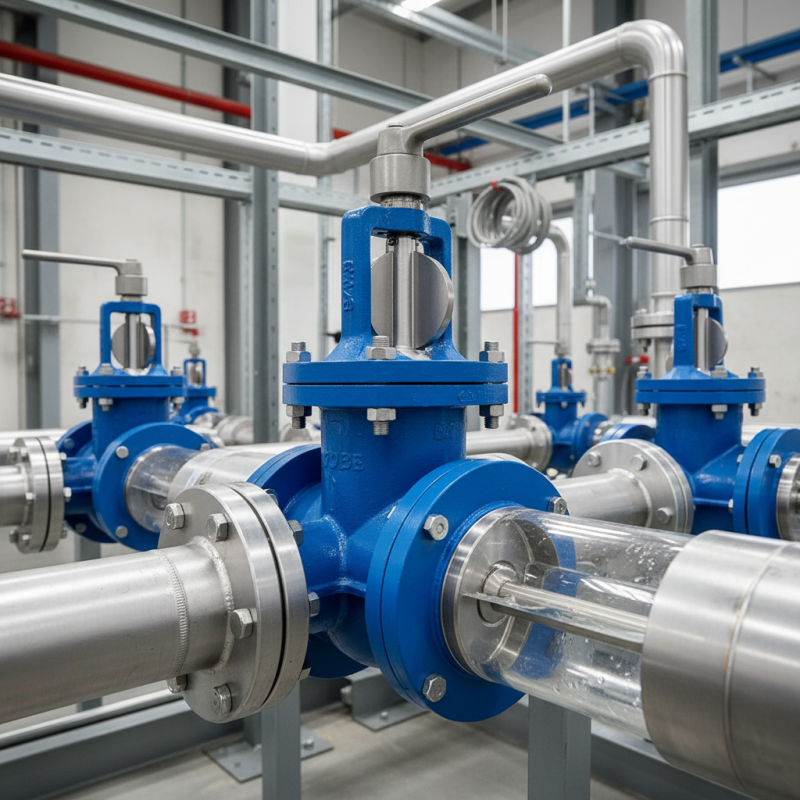
Why Choose Butterfly Valves for Your Applications?
Butterfly Valves are a popular choice in various industries. They offer unique advantages for flow control. The simple design ensures efficiency and reliability.
One key feature of the butterfly valve is its quick operation. A quarter turn can open or close the valve. This speed saves time in critical applications. Additionally, butterfly valves are space-efficient. Their compact design allows for easy installation in tight spaces.
However, there are considerations to keep in mind. Choosing the right material is essential for performance. Some environments may corrode specific materials. This can lead to failure or leaks. Proper application knowledge is crucial. Understanding system requirements will help prevent costly mistakes.
Understanding the Basics of Butterfly Valves
Butterfly valves are pivotal in various industries due to their simple design and efficiency. These valves consist of a rotating disc, which functions as a flow control element. According to industry reports, they can achieve up to 95% of the flow capacity as compared to gate valves. This efficiency makes them an attractive option in applications such as water treatment, chemical processing, and HVAC systems.
Installation and maintenance are generally straightforward, which enhances their reliability. They can withstand high pressure and temperature extremes, often rated for applications exceeding 500 psi. However, they may not be the best choice for highly viscous fluids or slurry applications. The potential for leakage around the seat can pose issues during operation, leading to increased maintenance needs. Regular inspection becomes crucial to ensure optimal performance.
The choice of materials also plays a key role. Butterfly valves can be made from stainless steel, plastic, or cast iron, based on the specific needs of each application. A survey revealed that systems designed with suitable materials showed a 30% increase in lifespan. The flexibility in design further allows them to fit into tight spaces, offering solutions where traditional valves may fall short.
Key Advantages of Using Butterfly Valves in Various Applications
Butterfly valves are increasingly popular in various industrial applications due to their unique advantages. One key benefit is their compact design. They occupy less space compared to traditional valves. This helps in optimizing installation and reducing piping costs. Their lightweight construction makes handling and maintenance easier.
Another significant advantage is their versatility. Butterfly valves are effective for both low and high-pressure systems. They can manage a wide range of fluids. Their ability to provide tight sealing is crucial for maintaining process integrity. However, some users find that achieving the perfect seal requires careful calibration.
Frequently, butterfly valves can handle diverse temperatures and flow conditions. This adaptability is particularly valuable in dynamic environments, such as water treatment and chemical processing. Yet, choosing the right valve material is essential. Inadequate selection can lead to premature failure. Regular assessments of valve performance help identify potential issues early. Overall, butterfly valves present multiple advantages but require thoughtful selection and upkeep.
Comparative Analysis: Butterfly Valves vs. Other Valve Types
When choosing valve types, butterfly valves often stand out. Their design allows for quick operation and space efficiency. According to a recent industry report, butterfly valves account for approximately 30% of the global valve market. Their lightweight structure facilitates easier installation and maintenance compared to other valves like gate or globe valves.
In contrast, gate valves can be cumbersome and require more space. They are less suited for applications where quick shut-off is essential. Butterfly valves perform well in large-scale systems and can handle high flow rates effectively. The versatility of butterfly valves makes them ideal for water treatment and HVAC systems.
**Tip:** Always consider the application requirements when selecting a valve type. Different projects may benefit from the unique features of each valve. Regular maintenance checks can also ensure long-lasting performance, especially in critical systems. Remember, even small errors in valve selection can lead to significant operational issues.
Why Choose Butterfly Valves for Your Applications? - Comparative Analysis: Butterfly Valves vs. Other Valve Types
| Valve Type | Installation Cost | Space Requirement | Flow Control | Maintenance | Application Suitability |
| Butterfly Valve | Low | Compact | Good | Low | Water, Chemicals, Air |
| Ball Valve | Medium | Moderate | Excellent | Medium | Gas, Liquids |
| Gate Valve | High | Lengthy | Limited | High | Oil, Water |
| Check Valve | Medium | Compact | Fair | Low | Draining Systems |
Factors to Consider When Selecting Butterfly Valves
When selecting butterfly valves for various applications, several critical factors come into play. These valves are commonly favored for their lightweight design and ability to handle large flow volumes efficiently. Research indicates that butterfly valves can reduce energy costs by up to 20% compared to other valve types in similar conditions. This makes them an attractive choice for industries aiming to enhance operational efficiency.
One must consider the pressure rating. Butterfly valves are often rated for lower pressure systems. This means that in high-pressure applications, they may not perform optimally. Compatibility with the fluid type is also essential. Corrosive materials may require specific materials or coatings to avoid failure. According to industry standards, using the wrong materials can lead to expensive downtime and safety risks.
Tips: Regular maintenance helps prevent failure. Check the seating surfaces for wear. Also, consider the installation environment. If there are vibrations, additional supports may be needed to maintain system integrity. Additionally, be cautious of size selection. An oversized valve might lead to a throttling effect, impacting system performance negatively. Evaluate all these factors carefully to ensure reliable operation.
Common Applications and Industries Utilizing Butterfly Valves
Butterfly valves are versatile components used across various industries. Their design makes them suitable for applications involving the regulation of flow. One common application is in water treatment. Here, they control water distribution efficiently, ensuring optimal pressure levels.
In the oil and gas sector, butterfly valves serve critical roles. They are used in pipelines for flow control and isolation. Their quick operation is vital in emergencies, reducing risk. Additionally, in HVAC systems, they help manage air flow between ducts. This capability enhances energy efficiency and indoor comfort.
Despite their benefits, butterfly valves may face operational challenges. For example, improper sizing can lead to flow restrictions. Regular maintenance is crucial to avoid wear and tear. Users often overlook this aspect. Neglect can lead to performance decline over time. Addressing these concerns can improve longevity and reliability.
 Innotex Group