Best New Label Materials for Global Procurement Needs?
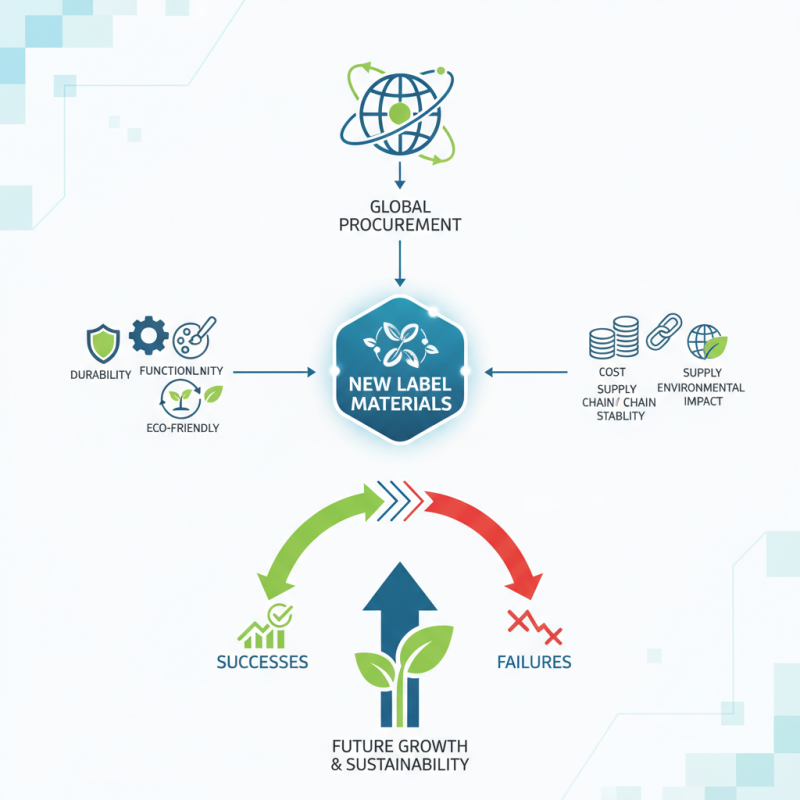
In the rapidly evolving world of global procurement, identifying the right materials is crucial. New Label Materials are now at the forefront of industry innovation. They offer advanced properties that meet diverse procurement needs. These materials enhance durability, functionality, and aesthetics.
As businesses strive to improve their packaging and branding, the importance of New Label Materials cannot be overlooked. The demand for sustainable options has also risen sharply. Companies are exploring eco-friendly alternatives that do not compromise quality. Yet, navigating this landscape requires expertise and foresight.
Many organizations face challenges in selecting the best materials. They must consider factors such as cost, supply chain stability, and environmental impact. The wrong choice can lead to costly setbacks. It's essential to reflect on both successes and failures in material selection. In this context, understanding New Label Materials is vital for future growth and sustainability.
Emerging Trends in Label Materials for Global Procurement
Emerging trends in label materials highlight significant shifts in global procurement. A recent industry report from Smithers states that the global label market is projected to reach $55 billion by 2026, driven by technological advancements and changing consumer needs. As sustainability takes center stage, procurement teams are increasingly considering eco-friendly materials. Biodegradable and recycled substrates are becoming more common in supplier offerings.
Another crucial aspect is the rise of digital printing technologies. According to a study by Afera, digital labels are growing at a rate of 30% annually. This trend supports short-run production and reduces waste. However, transitioning entirely to digital can pose a challenge. Organizations may face learning curves and initial costs that can be daunting.
Moreover, the demand for smart labels is on the rise. Sensor-equipped labels provide real-time data on product conditions. This innovation caters to industries needing enhanced traceability. Yet, the integration of such technology often leads to questions about compatibility and cost efficiency. Companies must weigh the benefits against potential complexities when considering new label materials for their procurement strategies.
Sustainability Considerations in New Label Material Development
Sustainability is now a crucial factor in label material development. As businesses focus on reducing their carbon footprint, the demand for eco-friendly materials is rising. New biodegradable and compostable label options are emerging, incorporating renewable resources. This shift fosters a more sustainable supply chain and meets consumer expectations for responsible practices.
Tip: Consider using materials that come from recycled sources. This can not only reduce waste but also demonstrate your commitment to sustainability. Look for labels that offer transparency about their production processes.
Choosing the right label material involves understanding its life cycle. Some materials may initially seem sustainable but can have negative environmental impacts later. It’s essential to evaluate how these materials are disposed of or recycled. This holistic approach can sometimes reveal unexpected challenges, causing companies to reassess their choices.
Tip: Collaborate with suppliers committed to sustainability. Establishing partnerships can improve access to innovative materials. This can also lead to shared knowledge that enhances overall procurement strategies.
Comparative Analysis of Traditional vs. Innovative Label Materials
When comparing traditional label materials with innovative ones, it's clear there are significant differences. Traditional materials often rely on paper or vinyl. They serve basic functions, but their limitations are worth noting. For example, paper labels can be less durable in wet conditions. This can affect product integrity and customer satisfaction.
Innovative materials introduce exciting possibilities. These include biodegradable options and advanced synthetic compositions. They offer improved durability, flexibility, and environmental benefits. For instance, some new materials can withstand extreme temperatures without damage. This expands their application in various industries, from food to pharmaceuticals.
Tips: Consider the specific environment where the labels will be used. Do they need to be waterproof? Will they face extreme temperatures? These factors can drive your material choice. Also, engage with suppliers to explore new material options. Sometimes, prototypes can reveal insights that standard evaluations miss. Investing time in understanding these differences can lead to better procurement decisions.
Regulatory Standards Impacting Label Material Selection Worldwide
In the ever-evolving landscape of global procurement, selecting the right label materials is heavily influenced by regulatory standards. Compliance with these standards ensures products meet legal requirements in various markets. A report from Smithers Pira highlights that 41% of businesses face challenges in keeping up with changing regulations. This makes selecting compliant label materials crucial for avoiding costly penalties and product recalls.
For instance, the FDA mandates specific labeling requirements for food and pharmaceutical products in the U.S. As of 2023, 70% of suppliers cited regulatory compliance as a primary factor in their procurement process. Different regions impose unique standards, impacting everything from raw material selection to design elements. In Europe, materials must adhere to the REACH regulation, affecting their chemical composition and sourcing practices.
Unfortunately, many companies still struggle with staying updated on these regulations. A recent survey showed that 35% of procurement teams have no formal process for monitoring compliance changes. This gap can lead to wasted resources and potential market barriers. Continuous education on global regulatory trends is essential for companies aiming to thrive in this competitive landscape.
Technological Advances Enhancing Label Material Performance and Usability
The label materials market is undergoing a significant transformation. Technological advances are pushing boundaries in label performance and usability. New materials are more durable, resistant to moisture, and easy to apply. These enhancements meet the growing demands of various industries. Innovations in adhesive technology ensure labels stick better. They adhere smoothly to different surfaces, reducing the risk of peeling.
Moreover, eco-friendly materials are gaining traction. Sustainability is becoming a critical factor for manufacturers. Biodegradable options help alleviate environmental concerns. The challenge remains on cost-effectiveness and scalability. Not all companies can easily switch to greener alternatives. This gap calls for thoughtful discussions on balancing performance and environmental impact.
The industry's evolution is promising but imperfect. While we see advancement, inconsistencies in quality and availability persist. Some products may not meet performance expectations. Testing and feedback loops are essential for progress. Engaging with users can improve material designs significantly. Embracing these challenges is vital in developing the best materials for global procurement needs.
 Innotex Group