2026 Top Custom Product Packaging Trends for Global Buyers?
In the evolving landscape of custom product packaging, staying ahead of trends is vital for global buyers. According to expert Jane Anderson, a renowned packaging strategist, "Custom Product Packaging is more than just a box; it’s a brand's first impression." As brands compete for consumer attention, innovative packaging solutions play a pivotal role in market differentiation.
The reliance on sustainability is evident in 2026's packaging trends. Buyers seek eco-friendly materials and designs that minimize waste. This desire not only caters to consumer demands but also aligns with global initiatives for environmental protection. Custom Product Packaging now reflects a brand's commitment to sustainability while enhancing aesthetic appeal.
Moreover, personalization is becoming increasingly important. Brands use advanced printing technology to tailor packaging to individual consumers. This trend might sound straightforward, yet many companies struggle with implementation. Balancing aesthetics, functionality, and sustainability within Custom Product Packaging can be challenging, but it is essential for success in today's market. As we explore the 2026 trends, it is clear that adaptability and innovation are key in shaping the future of packaging.
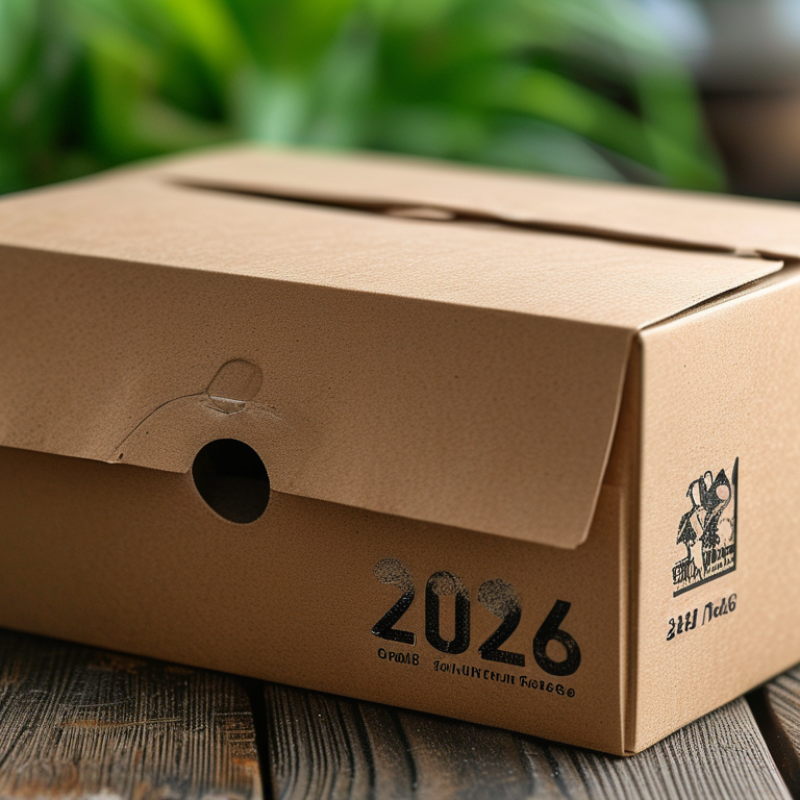
2026 Custom Packaging Trends Shaping the Global Market Landscape
As the global market evolves, custom packaging trends are becoming essential for both brand identity and consumer satisfaction.
In 2026, sustainable materials will dominate the landscape. Many companies are shifting towards biodegradable and recyclable options.
This trend affects not only the environment but also consumer perception. A large percentage of consumers prefer brands that embrace
eco-friendly practices. The visual appeal of packaging must tell a story, creating an emotional connection.
Additionally, technological advancements are transforming packaging design. Smart packaging, embedded with QR codes
or NFC technology, offers interactive experiences. Consumers can scan packaging to learn more about the product.
This approach increases transparency and enhances engagement. However, not all brands have embraced these innovations.
Some still rely on traditional methods, risking obsolescence in a fast-paced market.
Lastly, personalization is becoming more significant. Customizing packaging to reflect individual customer preferences can
boost loyalty. However, achieving this balance between personalization and cost-effectiveness remains a challenge.
Brands may struggle with inventory management and production efficiency. Each trend carries potential pitfalls, necessitating
a careful and thoughtful approach to packaging design in 2026.
Sustainability in Custom Packaging: Statistics and Consumer Preferences
In recent years, sustainability has emerged as a critical factor in consumer decisions regarding packaging. A 2023 survey found that 73% of consumers are willing to pay more for sustainable packaging solutions. This shift highlights a growing demand for eco-friendly materials and practices within the packaging industry. Brands prioritizing these aspects are not just appealing to ethical consumers; they are also establishing themselves as leaders in their markets.
Statistics reveal that nearly 56% of shoppers actively seek products with minimal packaging or recyclable options. This trend indicates a significant evolution in consumer preferences. Global buyers must adapt to these expectations. Biodegradable materials and reusable designs are no longer just options; they are becoming standards for many buyers. The challenges of integrating sustainability into packaging are noteworthy. Many companies struggle with sourcing green materials that meet quality and cost-effectiveness benchmarks.
Moreover, transparency in sourcing and production processes is essential. A lack of clarity can lead to consumer skepticism. While companies are making strides, the journey towards full sustainability involves continual improvement. Embracing innovation in materials and production methods can lead to richer, more sustainable outcomes. As 2026 approaches, brands must refine their strategies to align with evolving consumer demands and environmental responsibilities.
2026 Top Custom Product Packaging Trends for Global Buyers
| Trend |
Statistic (%) |
Consumer Preference |
Material Type |
| Eco-Friendly Materials |
67% |
Highly Preferred |
Biodegradable Plastics |
| Minimalist Design |
58% |
Moderately Preferred |
Recycled Paper |
| Smart Packaging |
45% |
Increasingly Preferred |
RFID Tags |
| Personalization |
52% |
Highly Preferred |
Custom Labels |
| Reusable Packaging |
62% |
Very Much Preferred |
Glass and Metal |
Innovative Materials: Biodegradable and Recyclable Options on the Rise
The demand for sustainable packaging is transforming the industry.
Biodegradable and recyclable options are gaining traction among global buyers. These materials offer a solution to the environmental crisis. Brands are searching for innovative ways to reduce their carbon footprint.
Biodegradable materials break down naturally. They often come from plant-based sources, making them more eco-friendly. However, the availability and cost can be challenging. Recyclable options are equally important. They allow consumers to participate in sustainability efforts.
Many packaging solutions now highlight these features clearly. Yet, not all labels are trustworthy. Consumers must research where and how materials can be recycled.
There is an opportunity for brands to educate their audiences. Transparency about material sourcing and lifecycle is critical. Engaging consumers with stories about their packaging journey can build trust. But some brands struggle to find that balance. As trends evolve, companies must adapt. The challenge lies in aligning sustainability with functionality.
Personalization in Packaging: Data-Driven Approaches for Brand Engagement
In today's competitive market, personalization in packaging has become vital. Data-driven approaches enable brands to connect with consumers effectively. According to a recent study, 70% of buyers prefer personalized packaging. This surge shows how crucial tailored experiences are for increasing brand loyalty.
By utilizing customer data, brands can create unique packaging experiences. For example, brands can leverage customer feedback to adjust designs or messaging. This can lead to an average 20% increase in consumer engagement. Imagine a box that reflects the recipient’s taste, enhancing their unboxing experience.
Using data analytics helps identify trends and preferences. Brands can adjust their packaging and offerings accordingly. However, there’s potential for missteps. Over-personalization may feel intrusive, alienating some customers. Balancing personalized touches with broader appeal is essential. Brands must remain mindful of privacy concerns while innovating.
Engaging customers through personalized packaging can be powerful. Brands should invest in understanding their audience deeply. Innovation often leads to unexpected challenges; reflection on feedback is crucial. Regularly re-evaluating consumer data helps avoid stagnation and keeps brands relevant.
Automation and Technology: Enhancing Efficiency in Packaging Solutions
As the packaging industry evolves, automation and technology are becoming vital. Efficient packaging solutions are not just trends but necessities for modern businesses. Automated systems streamline production processes and reduce manual labor, which can lead to cost savings. Advanced machinery can handle multiple tasks, improving consistency and speed.
Data analytics is another important aspect. It empowers businesses to monitor their packaging processes in real-time. By analyzing this data, companies can spot inefficiencies and adjust as needed. Predictive maintenance can also be introduced, ensuring machines run smoothly and minimizing unexpected downtimes.
However, reliance on technology isn't without challenges. Over-automation can lead to job displacement, causing concerns among workers. Additionally, integrating new tech can require significant investment and training. Businesses must carefully evaluate how to balance efficiency with human touch and insights. Each decision carries its own weight. Exploring the right mix of automation and human engagement is essential for long-term success in packaging.
 Innotex Group